



Plant diseases pose a major threat to agricultural production. They may impair crop quality in mild cases, and in severe instances, lead to yield reduction or even total crop failure. To address this issue, China has long adhered to the plant protection policy of "prevention first, integrated control". This policy emphasizes the organic integration of various measures such as agricultural control, biological control, physical control and chemical control. Pest and disease damage is kept below economically acceptable levels by adapting measures to local and timely conditions.
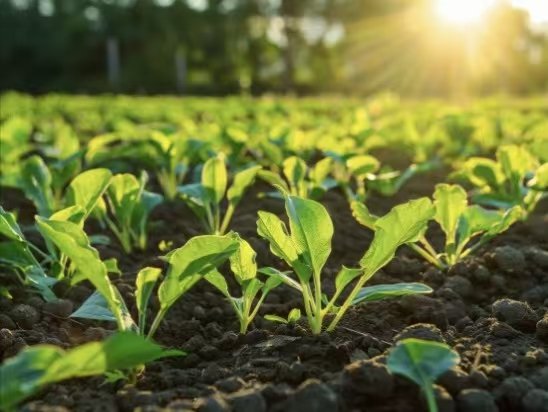
Agricultural control is the foundation of integrated pest management. Growers should prioritize the selection of disease-resistant and tolerant varieties to reduce the risk of disease occurrence from the source. Simultaneously, reasonable crop rotation can effectively reduce soil-borne diseases. For example, rotating wheat with non-gramineous crops such as rapeseed and peas can prevent the continuous accumulation of pathogens in the soil. Deep plowing, field sanitation to eliminate overwintering pathogens, and scientific water and fertilizer management to cultivate robust plants are all important means of agricultural control.
Physical control is an important measure in green prevention and control. For greenhouse vegetables, the practice of "high-temperature greenhouse sealing" is adopted during the high-temperature fallow period in summer. The high-temperature environment of 60 to 70 degrees Celsius can effectively kill pathogens, insect eggs and weed seeds in the soil. In the field, insecticidal lamps can be used to trap and kill adult insects, and yellow or blue sticky boards can be hung to trap aphids and thrips. Manual removal of diseased leaves and uprooting of diseased plants can quickly control the spread of local diseases and prevent further outbreaks. These methods are safe and efficient, and can significantly reduce the application of chemical pesticides.
Biological control aligns with the development direction of ecological agriculture. Utilizing beneficial microorganisms and their metabolites to control diseases is both green and safe, and protects the ecological environment. For example, Bacillus subtilis and Trichoderma have been widely used to prevent soil-borne diseases and downy mildew. Releasing natural enemy insects such as ladybugs controls the number of insects that transmit diseases.
Chemical control is fast-acting and highly targeted, making it an important emergency measure when diseases break out suddenly. For fungal diseases, fungicides such as carbendazim and azoxystrobin can be used; for bacterial diseases, chemicals like zinc thiazole and copper thiazole are suitable; viral diseases require agents such as moroxydine hydrochloride, together with simultaneous control of virus-transmitting vectors including aphids and planthoppers; for nematode damage, abamectin, fosthiazate and other nematicides can be selected. Experts remind that chemical control requires proper pesticide selection based on specific diseases, rotational application of pesticides, and strict adherence to dosage instructions to avoid phytotoxicity and pesticide resistance.
Overall, plant disease control no longer relies solely on chemical pesticides, but has shifted to a comprehensive management model based on agricultural control and using multiple methods in synergy. This is not only the only way to ensure high-yield and high-quality agriculture, but also a core measure to promote green and sustainable agricultural development.