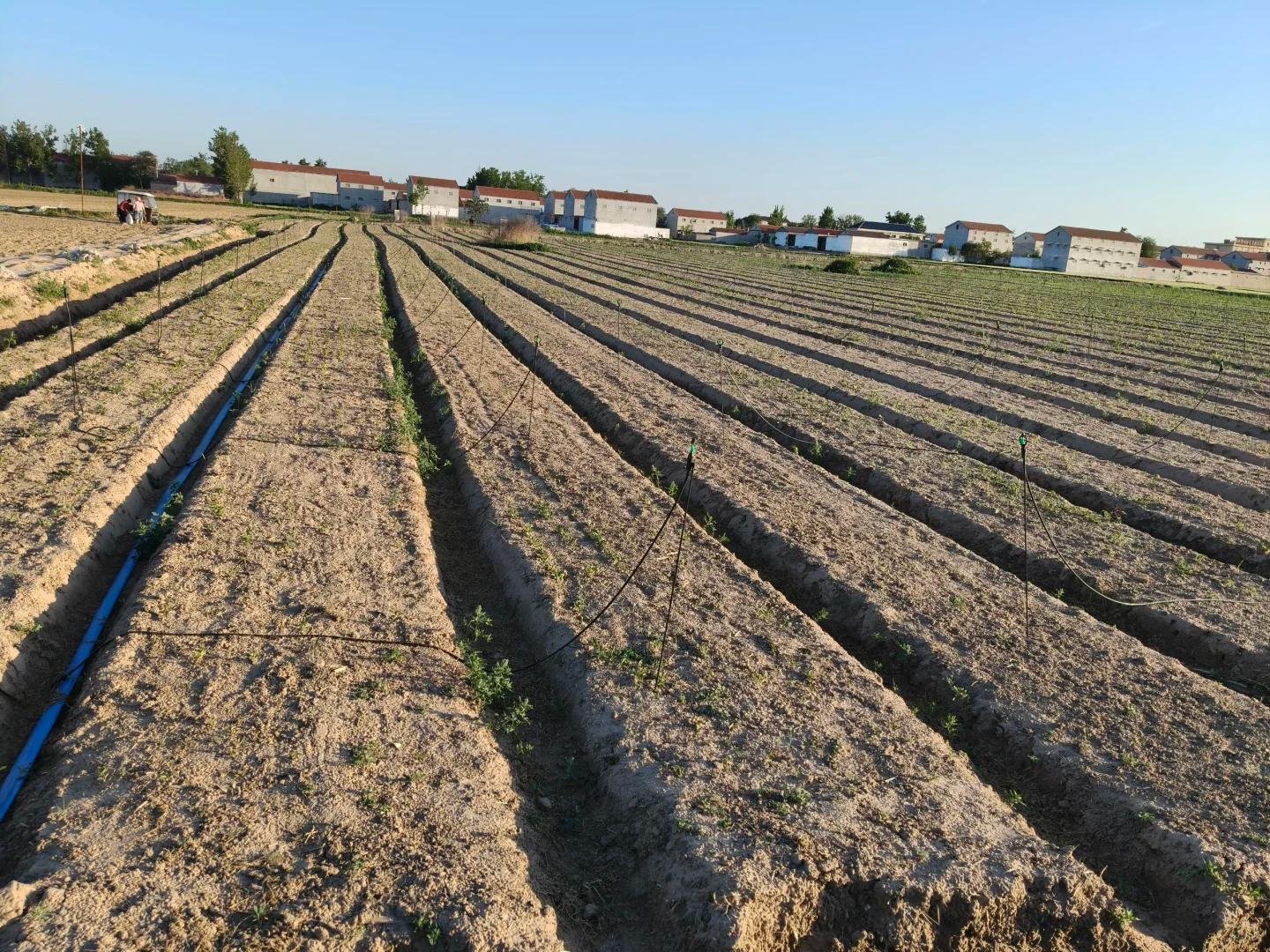



In agricultural planting, fertilization is a core element in ensuring healthy crop growth and improving yield and quality. However, base fertilizer, topdressing, and foliar fertilizer, as three indispensable categories in the fertilization system, often confuse many growers—when to apply? What to apply? What is their function? And how should they be used in combination?
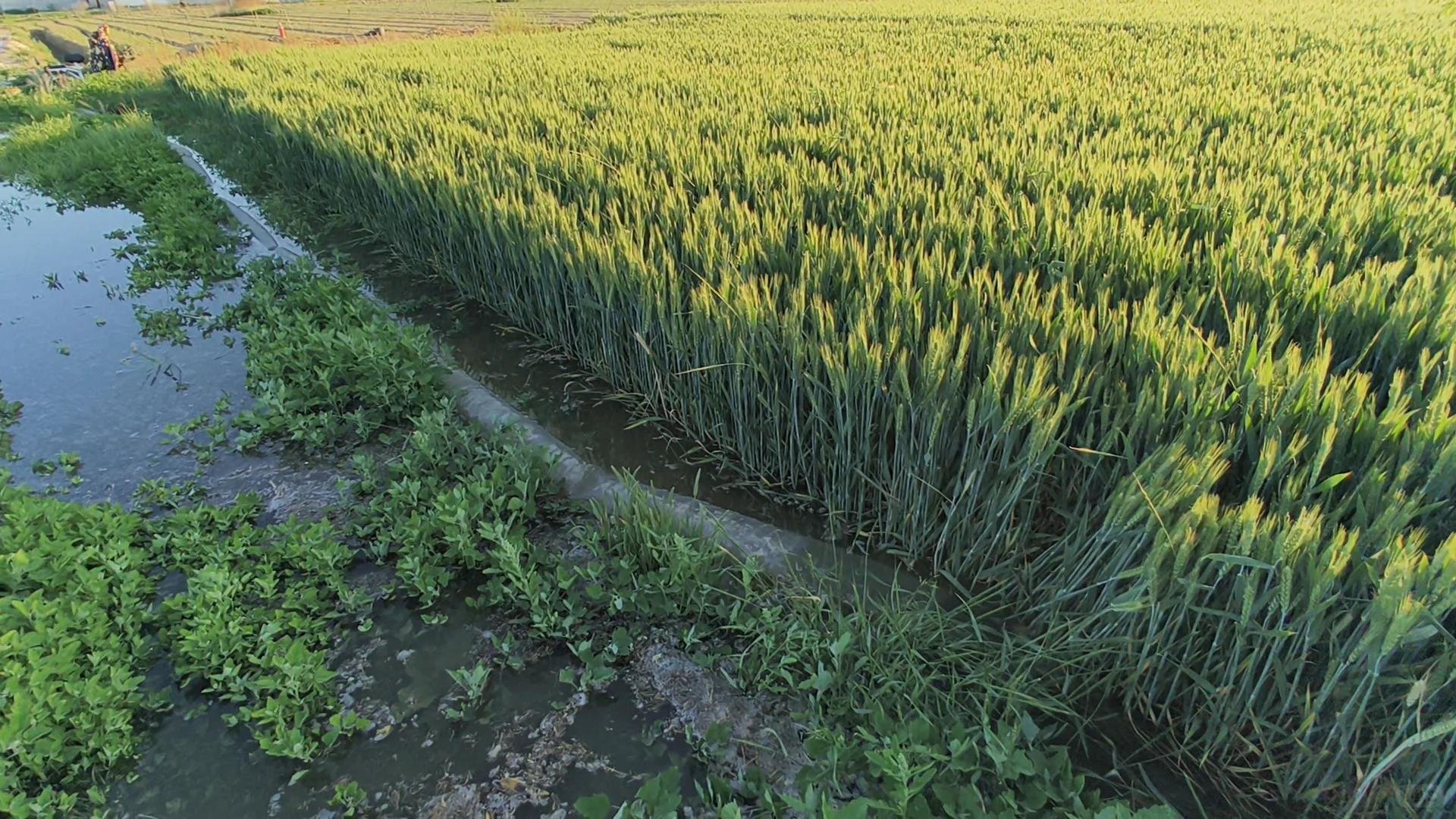
1. Base Fertilizer: The "Basic Food" for Crop Growth
Base fertilizer, also known as basal fertilizer, is applied before sowing or transplanting, combined with deep tillage. It forms the nutrient foundation for the entire growth period of the crop. Its core function is to improve soil structure, replenish the long-term nutrients needed by the soil, provide a stable nutrient supply for seed germination and seedling root development, and lay a solid foundation for high crop yields.
Application Techniques: Use primarily organic fertilizer, supplemented with an appropriate amount of slow-release chemical fertilizer (such as compound fertilizer and phosphorus-potassium fertilizer), accounting for 50%-70% of the total fertilizer application. During deep plowing, evenly incorporate the fertilizer into the deep soil layer (15-25 cm) to avoid nutrient loss or seedling burn caused by shallow application. Adjust the application according to soil fertility and crop needs; increase the amount of organic fertilizer appropriately for poor soils.
2. Topdressing: "Supplementary Nutrition" for Crop Growth
Topdressing is the application of fertilizer during the crop's growth period, based on the nutrient requirements of different growth stages. It's like giving the crop an extra meal, addressing the problem of insufficient base fertilizer nutrients and the crop's inability to keep up with its growth pace. Its core function is to specifically supplement nutrients, meeting the nutritional needs of the crop during key stages such as the seedling stage, vigorous growth stage, flowering stage, fruit setting stage, fruit expansion stage, and maturity stage, preventing nutrient deficiency and premature aging.
Application Techniques: Primarily use quick-acting fertilizers (such as urea and quick-acting compound fertilizers), accounting for 30%-40% of the total fertilizer application. Adjust the application rate flexibly according to the crop's growth stage; for example, the jointing stage of wheat, and the fruit expansion stage of fruit trees are key periods for topdressing. Use furrow application, hole application, fertigation, or drip irrigation methods, avoiding broadcasting. Cover with soil and water promptly after application to improve fertilizer utilization. Apply as needed, in small amounts and frequently.
3. Foliar Fertilizer: An "Emergency Supplement" for Crop Growth
Foliar fertilizer is a method of fertilization where fertilizer is dissolved in water and sprayed onto the surface of crop leaves and stems. Nutrients are directly absorbed through the stomata and cuticle of the leaves. It is a supplementary fertilization method, its core function being to quickly replenish nutrients, alleviate crop nutrient deficiency symptoms, or rapidly supply nutrients when root absorption capacity declines in the later stages of crop growth.
Application Techniques: Use specialized foliar fertilizers, strictly following the instructions for concentration to avoid burning leaves due to excessive concentration; spray in the early morning, late afternoon, or on cloudy days, avoiding high temperatures and strong sunlight; focus on spraying the undersides of leaves to improve absorption efficiency; it can be combined with pesticides for pest and disease control (compatibility testing is required first) to reduce labor.
Base fertilizer provides long-lasting benefits, laying the foundation for growth; topdressing provides timely replenishment of key nutrients; foliar fertilizer provides emergency relief, quickly alleviating nutrient deficiencies. Only by combining and rationally matching these three methods can efficient fertilizer utilization be achieved, contributing to high-quality and high-yield crops.