


In modern agricultural development, ensuring crop yields and protecting ecological balance have become core issues. Analyzing the mechanisms of pest and disease occurrence and constructing scientific control strategies based on the ecosystem balance paradigm are key paths to achieving green and sustainable agricultural development.
Ecosystem balance is the cornerstone of agricultural production, referring to the stable state formed by the interaction between organisms and their environment, and between organisms themselves, through material cycling and energy flow. When this balance is disrupted, pests and diseases will break out, primarily due to the disruption of interspecies constraints: large-scale monoculture provides concentrated food sources for pests, weakening the living space of natural enemies; excessive nitrogen fertilization makes plant tissues tender, reducing their disease resistance; and the overuse of chemical pesticides kills natural enemies, leading to pesticide resistance in pests, creating a vicious cycle of "the more you treat, the worse it gets."
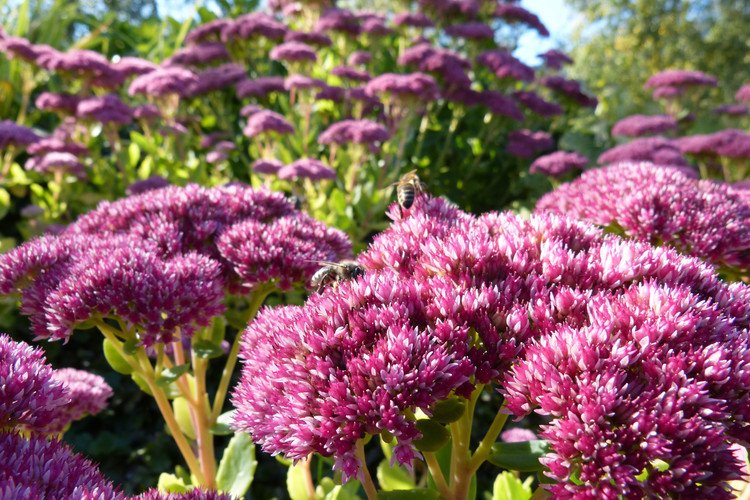
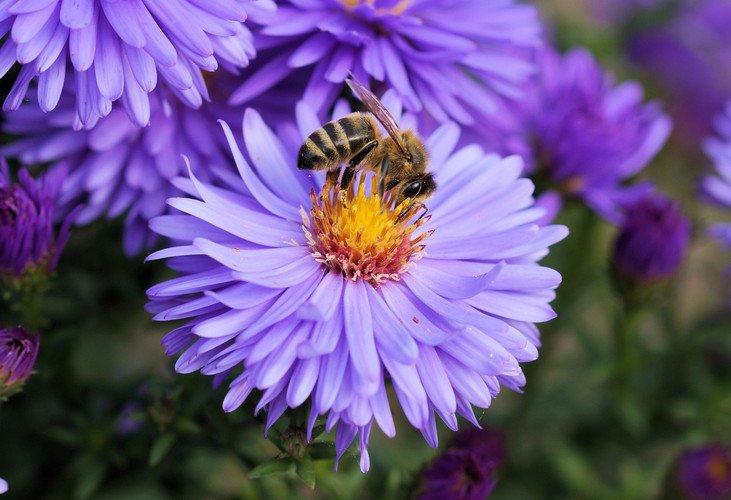
A control system centered on ecological balance is fundamental to solving pest and disease problems. First, optimize the ecological structure of farmland by promoting intercropping and relay cropping to dilute pest food through species complementarity; establish wildflower belts and shelterbelts along field edges to provide habitats and nectar sources for natural enemies, thus restoring the balance of biological constraints. Secondly, strengthen plant health management by adjusting the carbon-nitrogen ratio of plants and enhancing their resistance through soil testing and formula fertilization, increasing the application of organic fertilizers, and implementing crop rotation to disrupt the life cycle of pests and diseases, thereby reducing sources of pathogens and insects.
Control measures must adhere to the principles of ecological priority and comprehensive coordination. Physical control can employ green technologies such as color-blocking and sex pheromone trapping for precise pest control; biological control is the core, protecting natural enemies such as ladybugs and lacewings, or releasing parasitic wasps and predatory mites, and applying microbial agents such as Bacillus subtilis to achieve "using insects to control insects" and "using bacteria to suppress bacteria." When necessary, selectable pesticides safe for natural enemies and apply them precisely to minimize environmental impact.
In banana-growing areas of southern my country, traditional chemical control once led to rampant secondary pests. After introducing ecological regulation, intercropping with legumes, combined with bio-organic fertilizers and biopesticides, reduced the incidence of pests and diseases by 40%, while simultaneously improving yield and quality.
In the future, the company will continue to delve into ecological agricultural technology, with the mission of "protecting farmland ecology and helping to increase green production". We firmly believe that only by achieving a virtuous cycle of the ecosystem can we truly embark on the road of high-quality agricultural development and contribute solid strength to ensuring food security and ecological security.