



Recently, our agricultural technology team completed a field trip to Cambodia's main rice-producing areas. We inspected the rice's current growth and development, and based on the field photos and local planting challenges, further optimized our rice-specific fertilizers and comprehensive scientific fertilization solutions tailored to Cambodian conditions.
The vast, flat rice paddies stretch across the tropical plains. The on-site photos clearly show that the local rice is in the crucial heading and panicle development stage. The entire field is lush and green, growing vigorously and uniformly. Those in the know understand that this stage directly determines the yield and quality of the rice. Simply put, the uniformity of the panicle emergence and the fullness of the grains depend on the management provided in these ten days or so.
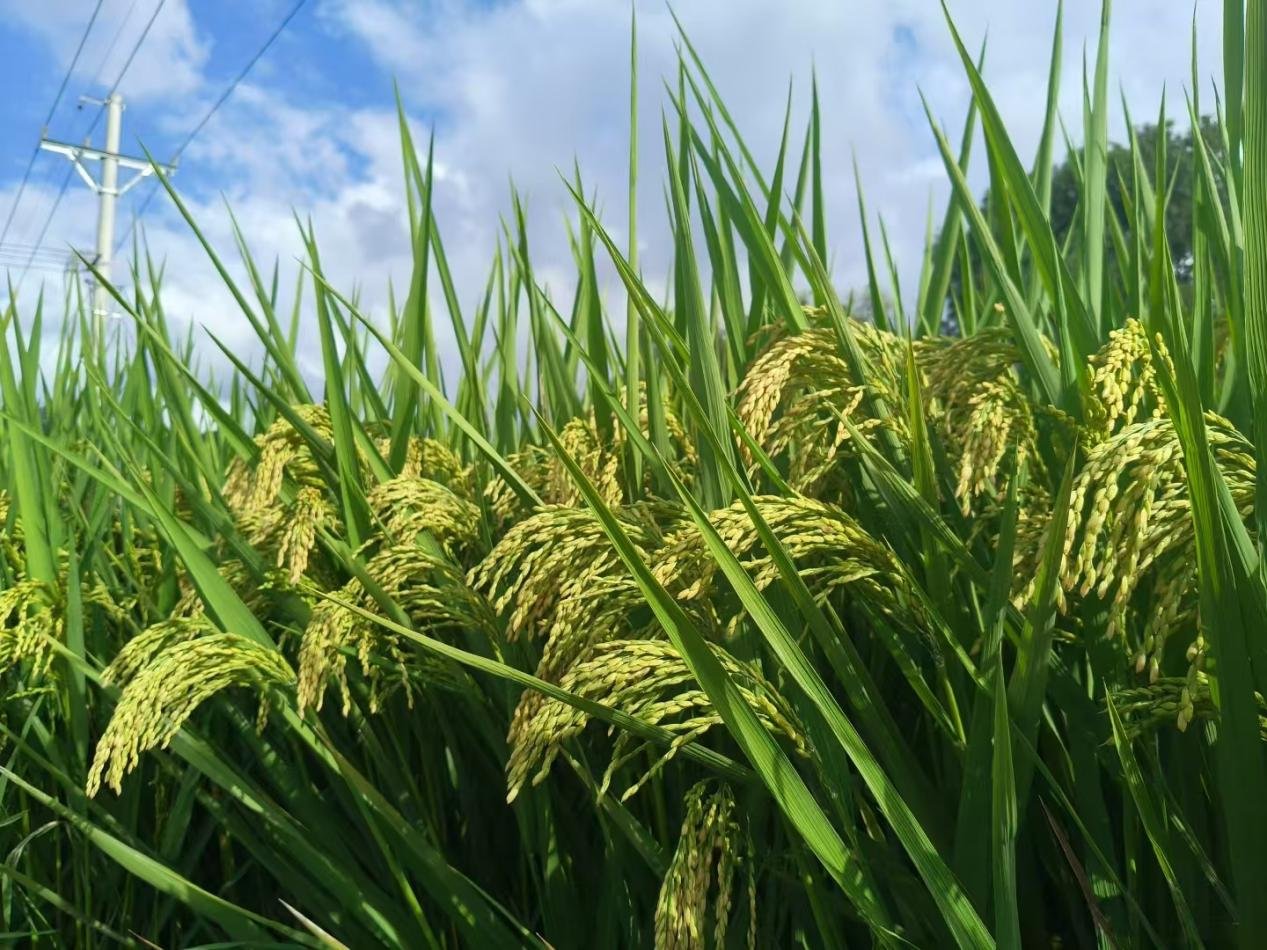
The photos show that the rice is growing well overall, with vibrant green leaves and relatively even tillering. However, colleagues also observed a common phenomenon on-site: many fields showed signs of pale leaves, yellowing of older lower leaves, and slightly softened stems in some plants. This is actually a common sign during the booting stage—the rice is concentrating its efforts on developing young panicles, suddenly reaching its peak nutrient demand throughout its growth period. If nutrient supply is insufficient at this time, it can easily lead to "poor initial growth," meaning poor panicle development, uneven heading later, many empty husks, and low thousand-grain weight.
Local farmers we work with told us that, based on past experience, they usually apply compound fertilizer again at this stage. However, after talking with them in the fields, colleagues discovered several hidden dangers: compound fertilizer is slow to take effect, and if it doesn't rain in the next few days, the nutrients simply won't be delivered; moreover, simply supplementing with nitrogen, phosphorus, and potassium while neglecting micronutrients will still result in weak panicles.
Our company has always emphasized the concept that for strong booting and panicle development, "precise supplementation" is key, not "blind application." At this stage, rice needs readily available phosphorus and potassium, supplemented with key micronutrients such as silicon, zinc, and boron. Phosphorus promotes panicle differentiation, potassium enhances photosynthesis and lodging resistance, silicon strengthens the stems, and boron and zinc directly affect pollen viability and seed setting rate. Considering Cambodia's climate characteristics (high temperature and humidity, high evaporation) and planting habits, we recommend using a more water-soluble panicle fertilizer formula at this stage, combined with foliar spraying, for rapid absorption and high utilization.
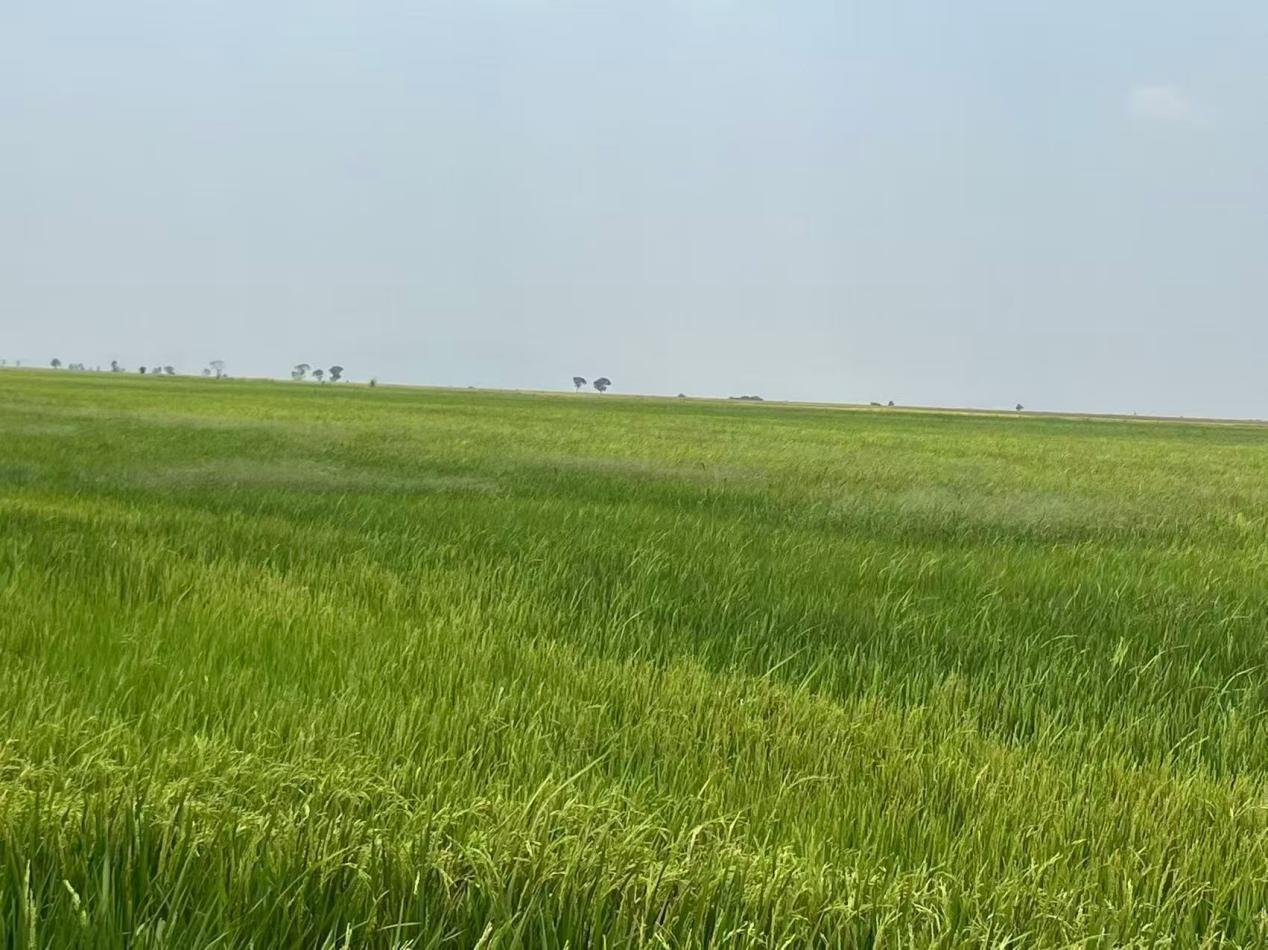
This on-site business trip to Cambodia brought us closer to the actual planting conditions in the region and strengthened our commitment to providing localized agricultural services in Southeast Asia. In the future, our company will continue to be deeply rooted in the Cambodian agricultural market, adhering to on-site research, localized fertilizer development, and one-stop field technical guidance, delivering high-quality, efficient fertilizer products and scientific fertilization techniques to millions of local rice farmers, continuously contributing to the sustainable and high-quality development of Cambodian agriculture.