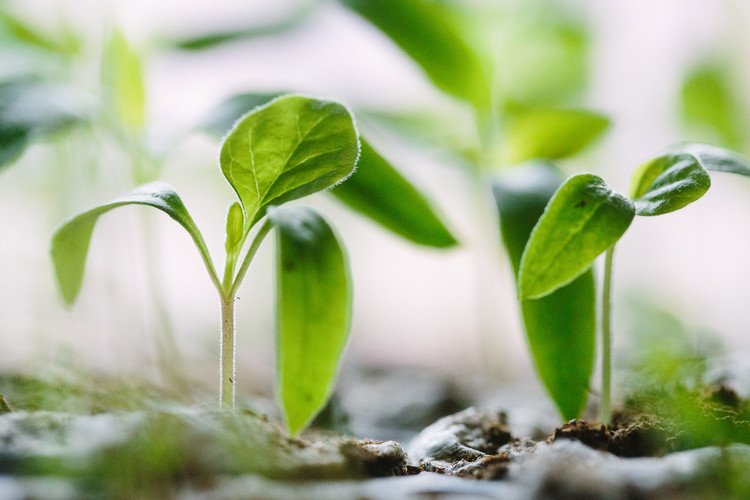



Soil, the foundation of agricultural production, directly impacts crop quality and yield. In the microscopic world of soil, invisible to the naked eye, microbial communities play a central role, maintaining soil vitality through multiple processes and profoundly influencing soil fertility, crop growth, and ecological balance.
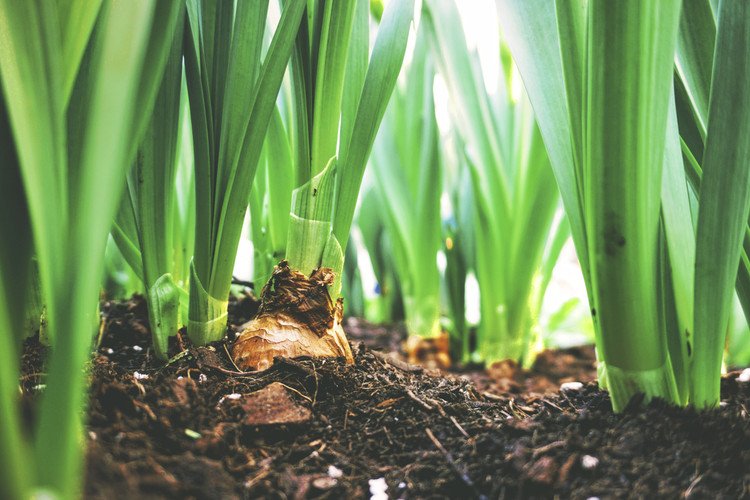
Microorganisms are the "core engine" of soil nutrient cycling. Bacteria, fungi, and other microorganisms in the soil decompose plant residues and organic fertilizers, converting macromolecular organic matter into nutrients absorbable by crops through both "external modification" and "internal circulation," while simultaneously generating humus to enhance soil fertility. Phosphorus- and potassium-solubilizing bacteria can activate insoluble mineral nutrients in the soil by secreting organic acids and enzymes, while nitrogen-fixing microorganisms can convert atmospheric nitrogen into ammonia nitrogen, significantly improving soil nutrient supply capacity.
Microorganisms play an indispensable role in soil structure improvement. The polysaccharides and globulin produced by their metabolism act as natural binders, promoting the aggregation of soil particles to form a stable aggregate structure, effectively improving soil permeability, water retention, and fertilizer retention. The hyphae of arbuscular mycorrhizal fungi can also penetrate soil pores, further stabilizing the aggregate structure and creating a favorable environment for crop root growth.
Microorganisms are also "health guardians" of the soil ecosystem. Beneficial microorganisms can inhibit the reproduction of pathogens such as root rot fungi and wilt fungi by occupying ecological niches and secreting antibacterial substances, reducing the occurrence of soil-borne diseases. Some strains can also alter the form of heavy metals through complexation and adsorption, reducing their toxicity and contributing to soil ecological restoration. Practice has shown that the rational supplementation of functional microbial communities can significantly improve the soil microecological balance and reduce the use of chemical agents.
The diversity and activity of soil microorganisms are important indicators of soil health. In the future, the precise application of microbial technology to optimize the soil microbial community structure will become an important path to promote the reduction and efficiency of chemical fertilizers and achieve sustainable agricultural development, injecting lasting momentum into improving arable land quality.