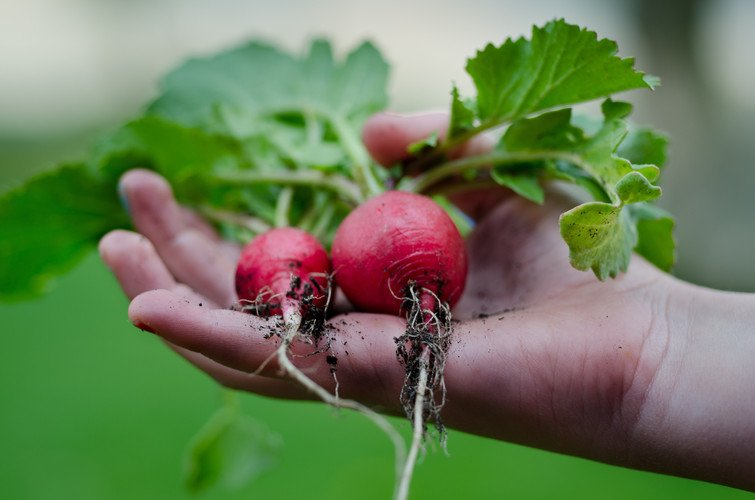



During the crucial spring planting season, the agricultural input market offers a wide variety of fertilizers with significant price differences. Farmers often face difficulties in selecting and applying fertilizers correctly, leading to confusion and potential pitfalls. To help growers achieve precise fertilizer selection and scientific fertilization, effectively reducing planting costs and improving crop yield and quality, our company has officially released a professional fertilizer selection guide. This guide provides practical and applicable agricultural techniques to support spring planting for farmers nationwide.
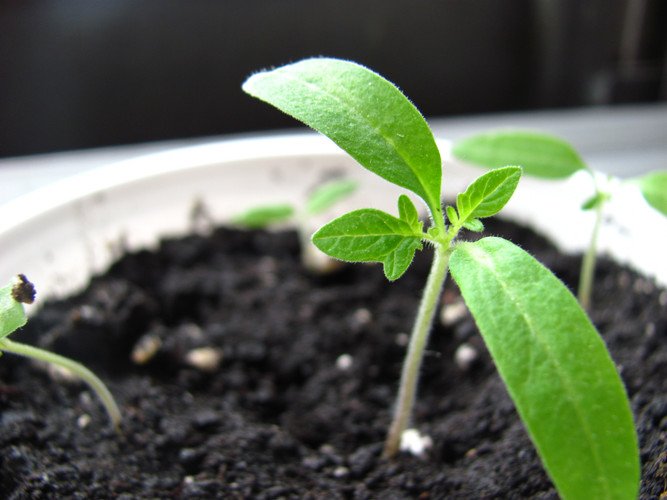
Clarifying Fertilizer Differences: Laying the Foundation for Scientific Fertilizer Use
1. Single-element fertilizers: Targeted and fast-acting, suitable for precise nutrient supplementation during specific growth stages of crops.
For example,
urea: Nitrogen ≥46%, promotes leaf growth, seedling development, and tillering; fast-acting, suitable for topdressing during the seedling stage.
Diammonium phosphate: High in phosphorus and nitrogen, promotes root growth, strong seedlings, and flower protection; commonly used as a base fertilizer.
Potassium chloride/potassium sulfate: supplements potassium to strengthen stems, promotes fruit growth and sweetness; potassium sulfate must be used for chlorine-sensitive crops (tobacco, grapes, potatoes, strawberries).
2. Compound Fertilizer: A primary base fertilizer, its nitrogen, phosphorus, and potassium ratio is fixed, such as a balanced 15-15-15 or a high-nitrogen 25-10-10, providing basic nutrition throughout the crop's growth period. For field crops (wheat, corn, rice): choose balanced/high-nitrogen types for lodging resistance and increased yield. For cash crops (melons, fruits, vegetables): choose high-phosphorus and high-potassium types for fruit enlargement, color development, and sugar content. For chlorine-sensitive crops, choose potassium sulfate.
3. Water-Soluble Fertilizer: Fully water-soluble, residue-free, suitable for drip irrigation/fertigation/foliar spraying, rapid absorption, and no root damage. Water-soluble fertilizers containing macronutrients: Key for fruit enlargement, color development, and increased yield. Micronutrients: Provide calcium to prevent fruit cracking, magnesium to prevent yellowing leaves, and zinc and boron to promote flowering. Functional water-soluble fertilizers (humic acid/amino acids/seaweed): Improve soil, nourish roots, and enhance stress resistance.
4. Organic fertilizers/microbial fertilizers: Their core value lies in nourishing the soil and strengthening its foundation. They effectively improve soil structure, prevent compaction, and enhance soil fertility. When used in conjunction with chemical fertilizers, they can reduce fertilizer usage and double fertilizer efficiency, forming the basis for producing green and high-quality agricultural products.
Follow three ironclad rules for precise and efficient fertilization
1. Consider the soil type and supplement accordingly: Sandy soils are best treated with slow-release fertilizers combined with organic fertilizers, applied in small amounts and frequently; clay soils require heavy application of organic fertilizers to improve aeration; saline-alkali soils should use humic acid fertilizers and sulfur-based fertilizers. The most scientific method is to rely on agricultural technology stations for soil testing and formula fertilization based on needs.
2. Consider the crop type and apply accordingly: Leafy vegetables prefer high nitrogen, root vegetables require high potassium, and fruit trees and solanaceous crops require a balanced base fertilizer and a high-phosphorus, high-potassium top dressing. For chlorine-sensitive crops, strictly select chlorine-free fertilizers.
3. Stage-specific, topdressing approach: Establish a comprehensive nutrition plan consisting of "organic fertilizer + compound fertilizer as the base, water-soluble fertilizer for a final boost, and micronutrients to address any shortcomings." Base fertilizer nourishes the soil for long-term benefits, high nitrogen fertilizer is applied during the seedling stage to promote seedling growth, and high phosphorus and potassium fertilizers combined with micronutrients are used during the flowering/boll-forming/fruit-expansion stages to fully guarantee yield and quality.