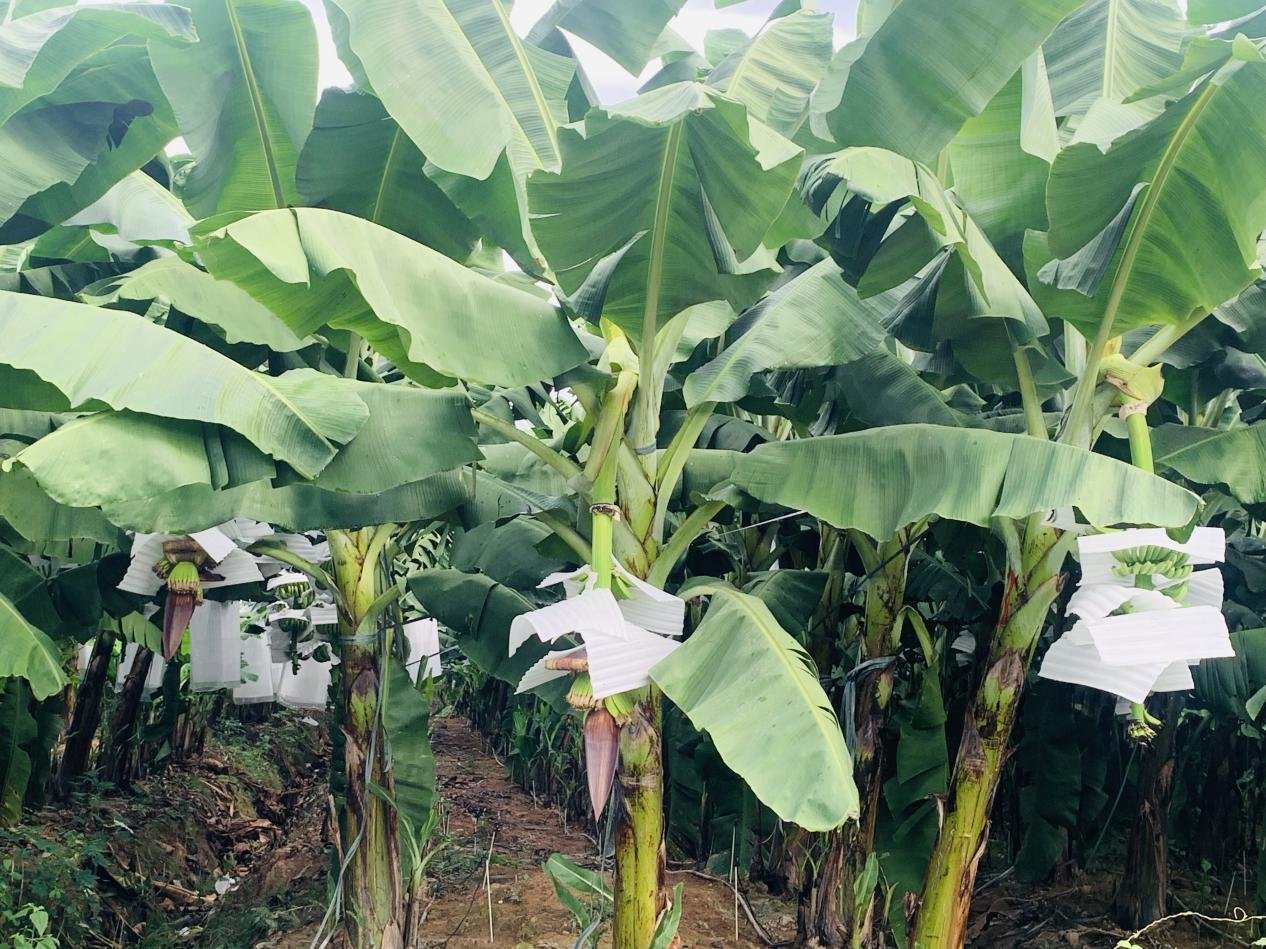



As an important tropical economic crop, banana yield and quality are closely related to nutrient management. A scientific and reasonable fertilization plan can not only significantly improve fruit marketability and farmer income, but also form the foundation for the sustainable development of the banana industry.
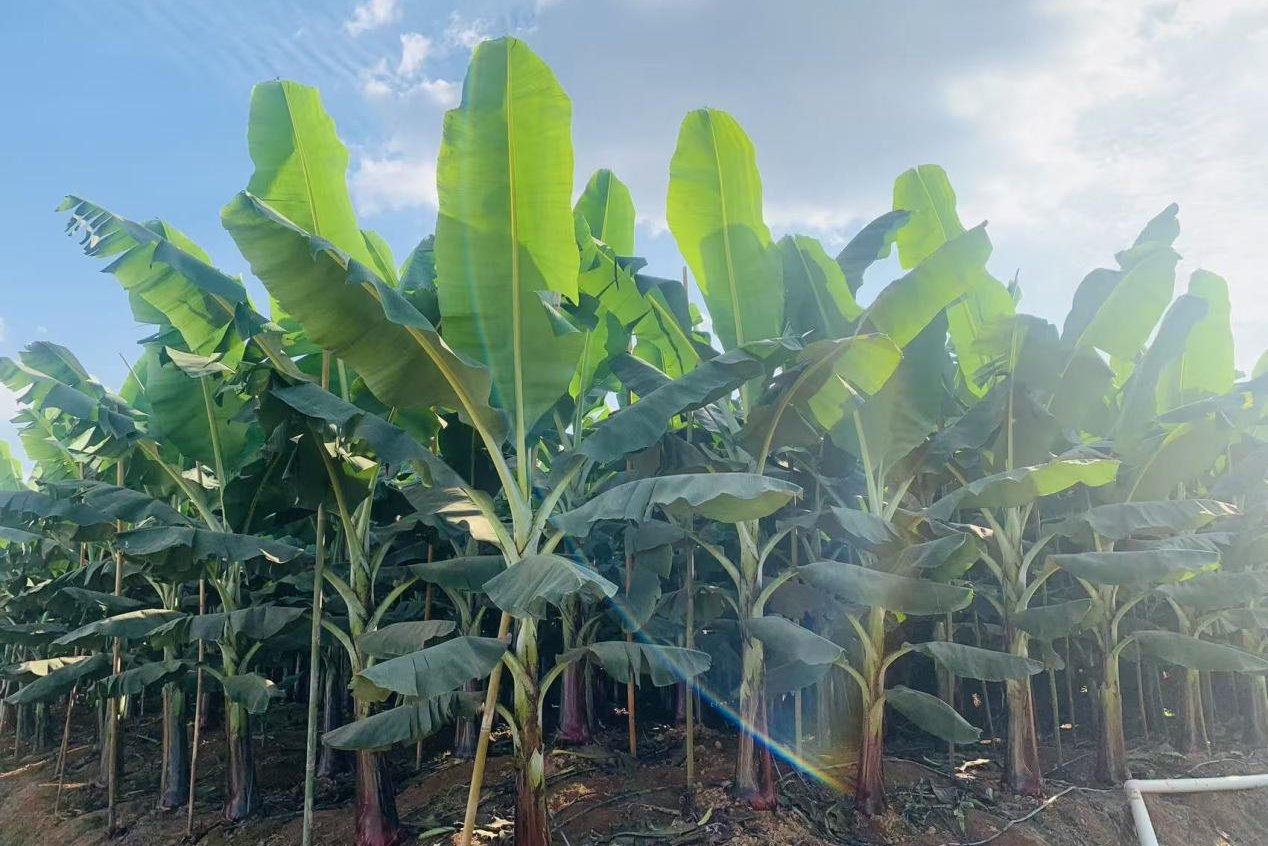
Following Growth Patterns and Implementing Precise Fertilization at Each Stage
Early Planting and Seedling Stages: Before transplanting, it is important to apply base fertilizer. It is recommended to apply 1.5-2 tons of well-rotted organic fertilizer per acre, combined with a balanced compound fertilizer, to lay the foundation for root development and early growth. During the seedling stage, the goal is to promote leaf growth and expand photosynthetic area. Nitrogen fertilizer can be appropriately increased, but excessive application should be avoided to prevent excessive vegetative growth.
Vigorous Vegetative Growth Stage: This stage is when bananas require the most fertilizer, accounting for approximately 50%-60% of the total fertilizer requirement throughout the entire growth period. A sufficient and balanced supply of nitrogen and potassium nutrients is necessary to promote pseudostem thickening and leaf emergence. It is recommended to apply high-nitrogen high-potassium compound fertilizer in several applications.
From flower bud differentiation to budding: This stage is sensitive to the demand for elements such as phosphorus, potassium, calcium, and boron. Increase the application of phosphorus and potassium fertilizers to promote flower bud differentiation and budding, while also paying attention to supplementing micronutrients to improve fruit index and quality, and reduce the occurrence of deformed fruit.
From fruit enlargement to harvest: Potassium fertilizer is the core focus to ensure fruit enlargement, sweetness, and skin gloss. After harvest, timely supplementation with complete nutrient fertilizer is necessary to restore tree vigor and accumulate nutrients for the next banana crop.
Master scientific methods and avoid common fertilization mistakes
Balanced fertilization, emphasizing the combination of organic and inorganic fertilizers: Adhere to the combined application of organic and chemical fertilizers to improve soil aggregate structure, increase fertilizer utilization, and avoid soil compaction and acidification.
Small amounts, frequent applications, flexible adjustments: Banana roots are relatively shallow, have strong absorption capacity but are not tolerant of high salt content. It is recommended to adopt the principle of "small amounts, frequent applications," especially in sandy soil areas. The amount and frequency of fertilizer can be flexibly adjusted according to weather, tree vigor, and leaf color.
Pay attention to the application location and method: Topdressing should be applied in trenches or holes near the drip line, and covered with soil to improve fertilizer efficiency. Avoid direct contact between fertilizer, especially uncomposted organic fertilizer, and the root system or base of the pseudostem to prevent fertilizer burn.
Coordinate with water management and micronutrient supplementation: Fertilization should be combined with irrigation to ensure effective dissolution and transport of fertilizer. At the same time, regularly supplement micronutrients such as calcium, magnesium, boron, and zinc through foliar spraying to prevent deficiency symptoms.