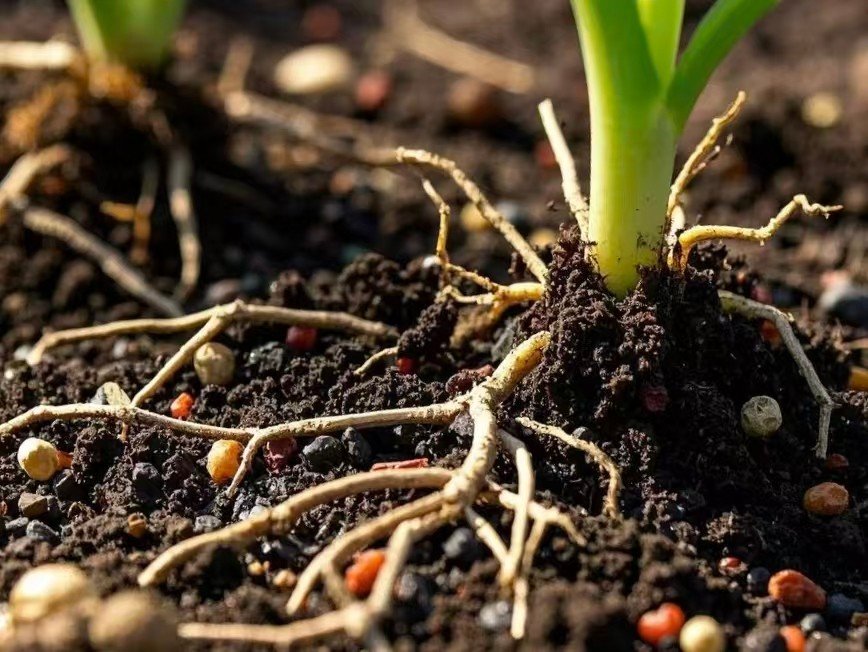



In March 2026, the continued geopolitical tensions in the Middle East became a core variable in the global fertilizer market, causing severe disruptions to the supply chain and a sharp rise in international fertilizer prices. Simultaneously, China was in the crucial spring planting season, with multiple departments working together to implement a "combination punch" to ensure supply and stabilize prices, promoting industry transformation and agricultural production simultaneously.
International Market: Supply Chain Under Pressure, Prices Soar
Core Impact: Production and Shipping Disrupted
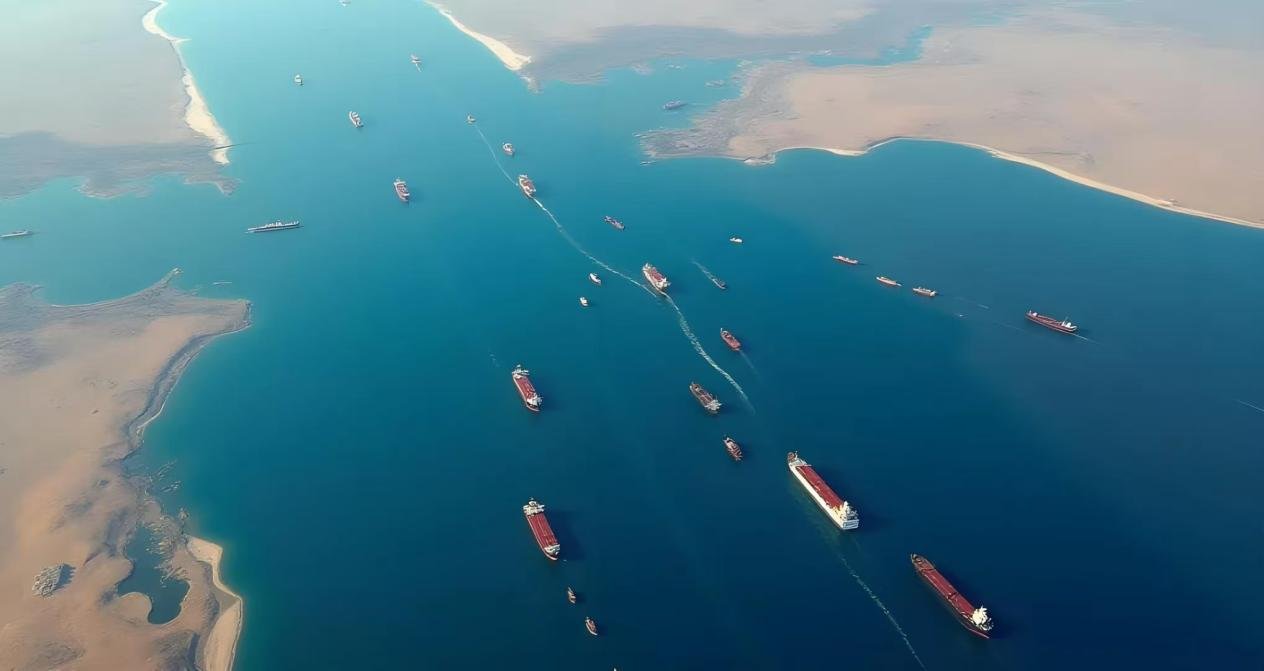
As a core global fertilizer production area and trade hub, the Middle East's turmoil triggered a chain reaction. Qatar's largest single urea plant shut down, Iran reduced its ammonia production capacity across the board, and the operating rate of fertilizer companies in the region declined sharply, directly reducing the total global supply. The Strait of Hormuz, which handles approximately one-third of global fertilizer trade, 35% of urea exports, and 45% of sulfur exports, is currently experiencing shipping disruptions and soaring insurance costs, further severing the global fertilizer distribution chain.
Price Surge: Significant Increases Across Multiple Categories
Affected by supply chain disruptions, international fertilizer prices rose across the board. International urea prices surged by approximately $130 per ton within a week, an increase of nearly 40%, with mainstream prices for Middle Eastern granular urea reaching $575-650 per ton. European ammonia futures for April delivery rose $130 per ton from February, closing at $725 per ton. International phosphate fertilizer prices broke through $700 per ton, with the latest March DAP contract at the Port of New Orleans in the US at $657.50 per ton, a significant increase from pre-conflict levels. Furthermore, international phosphate rock prices are around $320-340 per ton, and elemental phosphorus (yellow phosphorus) prices have reached $4800-5000 per ton, with the strategic development of phosphorus resources exacerbating the tight supply situation.
Global Impact: Supply Chain Vulnerability Highlighted
China relies on the Middle East for 56% of its sulfur imports, with the situation directly impacting domestic upstream raw material supply; Europe has reduced nitrogen fertilizer production capacity by 30% due to natural gas supply shortages; a "fertilizer rush" has occurred in countries like India and Egypt, and fertilizer costs in South Africa are approaching 50%, significantly increasing global agricultural production costs and risks.
Domestic Dynamics: Efforts to Ensure Supply and Price Stabilization Accelerate Industry Transformation
To cope with external market fluctuations and ensure spring planting, China has taken measures across multiple dimensions, including production, distribution, and reserves. Currently, fertilizer companies are operating at over 93% capacity, with daily output stable at 210,000-220,000 tons, a record high for the same period; nearly 10 million tons of national fertilizer reserves have been released in an orderly manner, and key regions such as Shandong have set upper limits on urea ex-factory prices, effectively curbing irrational price increases.
The No. 1 Central Document of 2026 explicitly proposed promoting the reduction and efficiency improvement of chemical fertilizers and pesticides, expanding the scope of organic fertilizer substitution for chemical fertilizers, and shifting the industry from "quantity assurance" to "quality improvement," with the goal of increasing the utilization rate of chemical fertilizers to 43% and the substitution rate of organic fertilizers to 15%. New types of high-efficiency fertilizers such as water-soluble fertilizers, bio-organic fertilizers, and microbial fertilizers are entering a period of policy dividends, accelerating the industry's transformation towards green and efficient practices. Simultaneously, regulators are strengthening quality supervision of organic fertilizers and microbial fertilizers, standardizing fertilizer registration and approval processes, and promoting high-quality development of the industry.