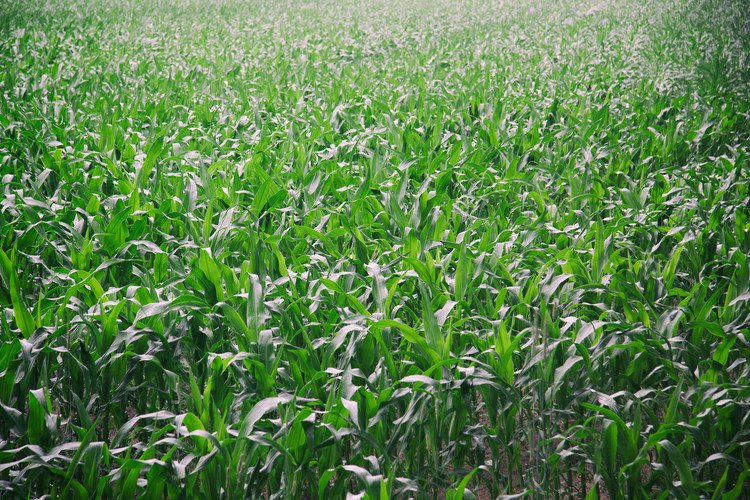



In most cases, leaf tip dryness in corn seedlings is caused by seedling blight. This disease is a common seedling disease in corn cultivation. If not identified and controlled in time, it will seriously affect seedling growth and ultimately lead to yield reduction. Understanding its causes and mastering scientific seedling management techniques are crucial to ensuring corn yield.
I. Causes of Seedling Blight
1. Improper Sowing Depth
Sowing too deep is one of the important factors inducing seedling blight. When seeds are buried too deep, excessive nutrient consumption occurs during emergence, resulting in weak seedlings, reduced disease resistance, and increased susceptibility to pathogen infection.
2. Excessive Soil Moisture
Waterlogging or excessive moisture in the soil is a key inducing factor for the disease. In summer corn planting areas, after continuous rainfall, prolonged high field humidity accelerates pathogen reproduction, often leading to concentrated outbreaks of the disease.
3. Soil and Topography Conditions
The disease is more severe in low-lying, poorly drained, infertile, or nutrient-deficient areas, as well as in clay and saline-alkali soils.
II. Typical Symptoms of Seedling Blight
In the early stages of the disease, the roots and root tips of the seed turn brown. As the disease progresses, root development is hindered, root hairs decrease, secondary roots become scarce or absent, and primary roots begin to age. The cortex dies, and the root system turns dark brown. The disease then spreads upwards, causing water-soaked rot at the base of the stem, making it soft and easily broken, and the leaf sheaths turn brown. Above-ground parts show withered leaf tips and yellowing leaves; in severe cases, the entire seedling dies.
III. Comprehensive Management Measures for Corn Seedlings
1. Timely Check and Replanting
After corn seedlings emerge, field inspections should be conducted immediately. Any missing seedlings or gaps in the rows should be replanted or transplanted promptly. Replanting: Seedlings must be replanted before they reach the 3-leaf stage. Water thoroughly 1-2 times after replanting to ensure seedling survival.
2. Scientific Thinning and Planting
To reduce the proportion of weak plants, improve uniformity, and ensure reasonable planting density, corn seedlings should be thinned in stages when they reach the 3-4 leaf stage. Planting should usually be completed at the 4-5 leaf stage.
3. Cultivation, Weeding, and Hilling
Cultivation is generally carried out twice during the seedling stage to loosen the soil and promote root development. Cultivation should be combined with weeding and fertilization, and appropriate hilling should be done. Cultivation depth should follow the principle of "shallower near seedlings, deeper in the middle of rows; shallower before planting, deeper after planting" to avoid damaging roots.
4. Pest Monitoring and Control
Corn seedlings are susceptible to various pests, mainly including cutworms, corn borers, and aphids. Insect pest monitoring and forecasting should be carried out effectively. Once pests are detected, pesticides should be sprayed in a timely manner to prevent the superposition of pests and diseases, which could lead to greater losses.