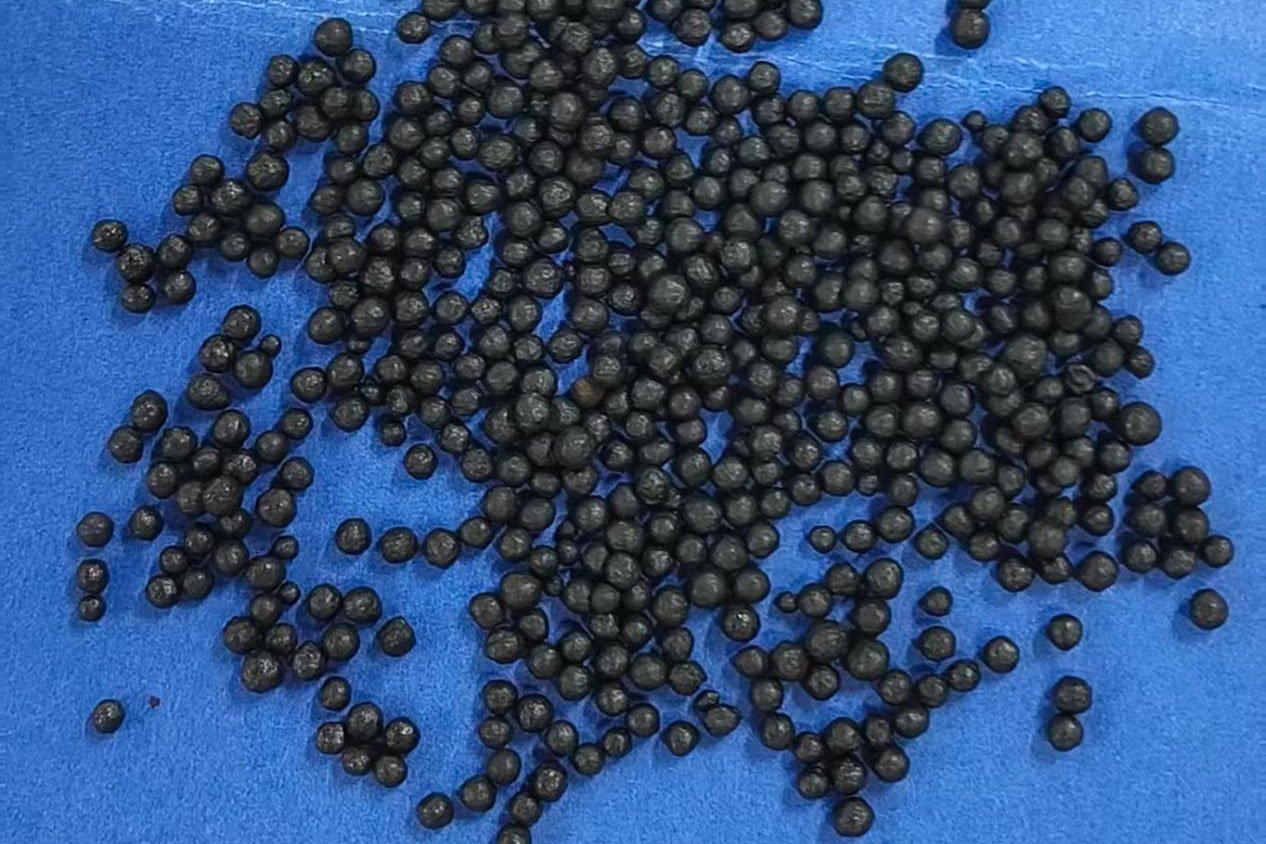



The foundation of agriculture lies in the soil, and the soul of the soil lies in its organic matter. In today's pursuit of high-yield and high-quality agricultural products, the excessive application of chemical fertilizers has led to prominent problems such as soil compaction, acidification, and a decline in organic matter. As an important material for partially replacing chemical fertilizers and improving soil, organic fertilizer is receiving increasing attention.
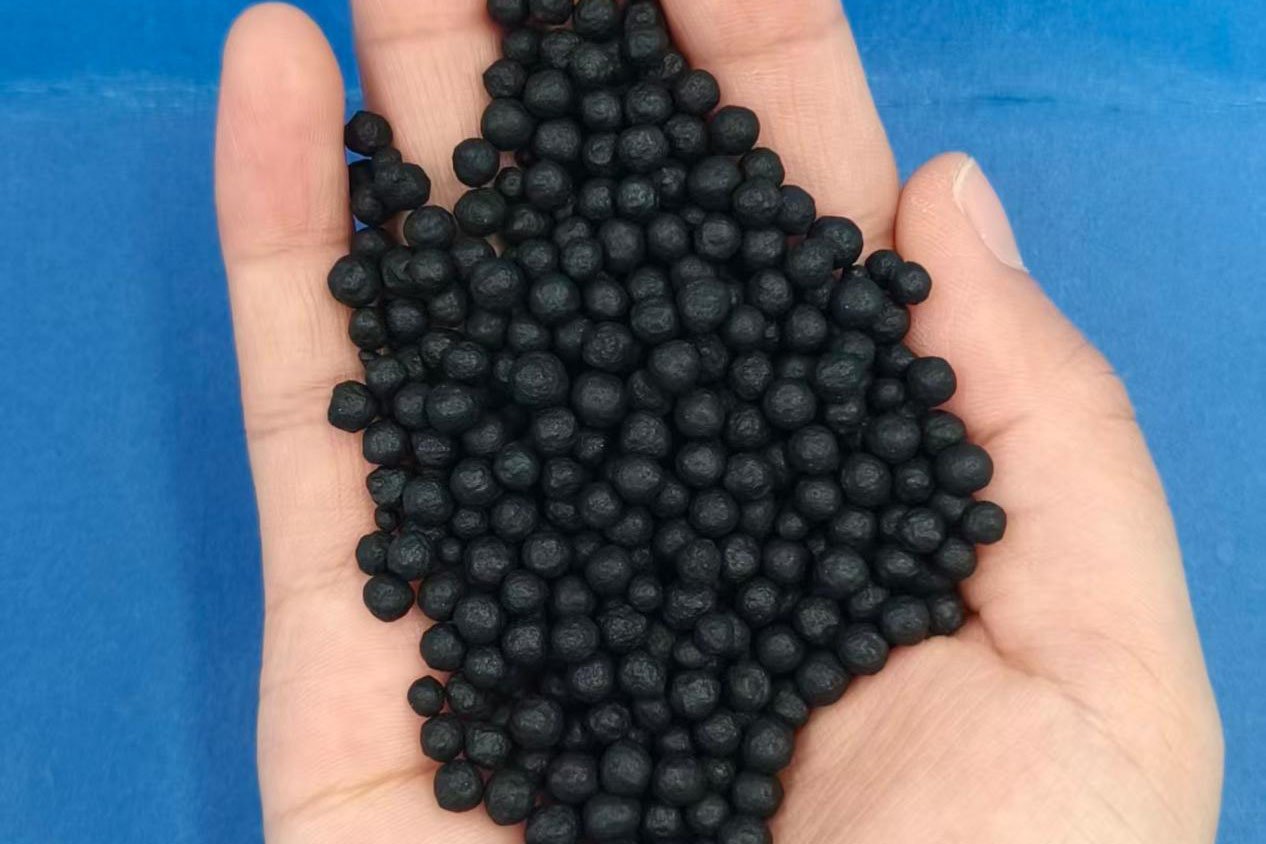
What is Organic Fertilizer?
Organic fertilizer is essentially carbon-containing organic material formed by the full decomposition and fermentation of animal and plant residues and waste by microorganisms. Its sources are wide and abundant, mainly including crop straw, soybean meal, rapeseed cake, and edible fungus residue from agricultural production; chicken manure, cow manure, and sheep manure from livestock and poultry farming; distiller's grains, vinegar residue, and sugar residue from the food processing industry; as well as urban and rural kitchen waste and fallen leaves from gardens.
It is particularly important to emphasize that all raw materials must undergo high-temperature decomposition treatment above 55℃ to thoroughly kill pathogens, insect eggs, and weed seeds. Uncomposted organic fertilizer undergoes secondary fermentation in the soil, generating high temperatures that can easily burn roots and seedlings, and spread soil-borne diseases, causing losses to agricultural production.
The Core Role of Organic Fertilizer
The value of organic fertilizer far exceeds its simple nutrient supply.
First, it significantly improves soil physical structure, promotes the formation of soil aggregates, fundamentally solving the problem of soil compaction, while also enhancing soil water and fertilizer retention capacity and buffering changes in soil pH.
Second, organic fertilizer can improve crop yield and quality. It provides comprehensive nutrition, supplying nitrogen, phosphorus, and potassium, as well as various micronutrients such as calcium, magnesium, zinc, and boron. The nutrients exist in organic form, releasing slowly and evenly, with the fertilizer effect lasting for 6-12 months, avoiding the nutrient imbalances caused by the single-nutrient supply of chemical fertilizers.
Simultaneously, organic fertilizer provides ample carbon sources for soil microorganisms, activating beneficial microbial communities such as bacteria and fungi. This not only decomposes insoluble minerals in the soil but also inhibits the reproduction of pathogens, reducing pesticide use.
Furthermore, the combined use of organic and chemical fertilizers can increase fertilizer utilization by 30%-50%, significantly improve the content of vitamins, soluble sugars, and amino acids in agricultural products, enhance taste and flavor, and reduce nitrate residues.
It is important to clarify that organic fertilizer is not a "panacea" and cannot completely replace chemical fertilizer. While its effects are not as rapid as chemical fertilizers, organic fertilizer fundamentally improves soil health, enabling sustainable land use and high-quality, high-yield crops, making it an indispensable material for green agriculture.