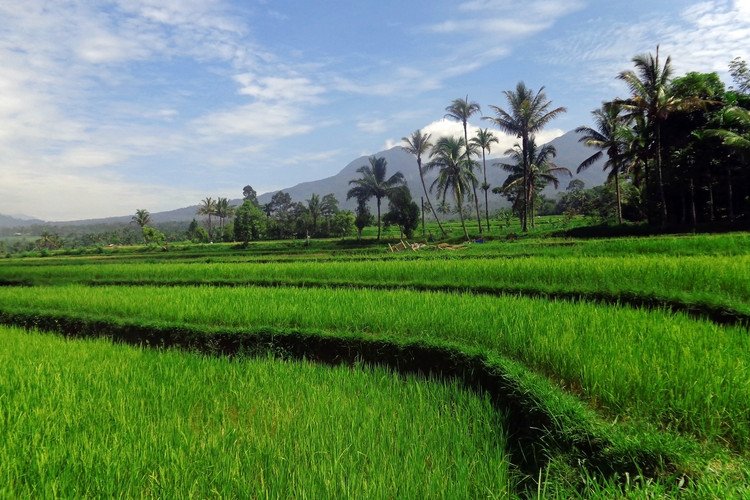



As a major global producer of rice, rubber, and tropical fruits, Thailand's agriculture consumes over 6 million tons of fertilizer annually. More than 95% of its basic fertilizer raw materials are imported. The weakness of its domestic industrial chain, coupled with the instability of the global fertilizer supply chain, has made its import predicament difficult to resolve. A member of the Thai Fertilizer and Agricultural Materials Association stated bluntly: "Thailand relies entirely on imports for nitrogen, phosphate, and potash fertilizers. If global production capacity, export trade, or logistics are disrupted, our agriculture will immediately be at a disadvantage."
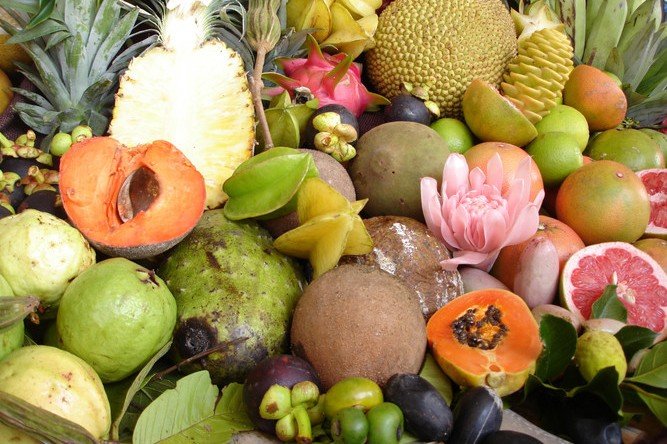
Thailand's inherent resource deficiencies are the root cause of its heavy reliance on imports. The country lacks natural gas and high-quality phosphate rock, and its nitrogen fertilizer and urea are primarily sourced from overseas. While its northeastern region boasts the world's fourth-largest potash reserves, strict mining approval processes and huge capital investments have resulted in over a decade of unsuccessful attempts to attract investment, leaving it without large-scale potash fertilizer production capacity and relying almost entirely on external purchases. Domestic production is limited to simple fertilizer blending, with all basic nitrogen, phosphorus, and potassium raw materials dependent on external imports, leaving no room for self-sufficiency. The multi-season rotation of rice, palm, and fruit crops creates year-round demand for fertilizers. With the government strictly controlling retail prices, importers can only rely on stable, low-priced supplies to maintain operations.
Traditional import channels have become increasingly unstable, further amplifying Thailand's supply risks. Thailand primarily sourced urea from Middle Eastern Gulf countries. One-third of global fertilizer shipments pass through the Strait of Hormuz; geopolitical conflicts have caused shipping congestion and doubled freight costs, leading to a short-term surge in urea prices of 30% to 80%, and extending delivery times to over 25 days, making it highly susceptible to missing the planting season. While Russia is a major fertilizer exporter, its supply is unstable due to Western sanctions and annual export quotas. High natural gas prices in Europe have led to the shutdown of over 40% of synthetic ammonia production capacity, and fertilizer prices are generally more than $100 per ton higher than in China, making it difficult to supply the Southeast Asian market in bulk.
Under these multiple comparisons, China has become Thailand's most reliable alternative source. Firstly, it has a complete range of production capacity and products. China is the world's largest producer of nitrogen and phosphate fertilizers, with urea, ammonium phosphate, ammonium sulfate, and customized NPK compound fertilizers fully covering Thailand's agricultural needs. Secondly, the China-Laos Railway has opened up a golden land route, allowing fertilizer trains to reach Thailand in just 7 days, shortening the journey by nearly 20 days compared to sea freight, reducing overall logistics costs by 30%, and avoiding the geopolitical risks associated with long-distance shipping routes, while precisely matching planting seasons. Thirdly, the free trade agreement between China and Thailand provides support; most fertilizers are subject to zero tariffs, giving Chinese fertilizers a significant price advantage. Furthermore, China and Thailand have established an emergency supply mechanism for agricultural inputs, prioritizing Thai orders during global shortages.
In the short term, large-scale potash mining in Thailand will take at least 5 to 8 years, making it difficult to fill the domestic self-sufficiency gap. Uncertainty regarding traditional channels from the Middle East and Russia/Europe will persist for a long time. With the continued expansion of the China-Laos Railway's transport capacity, the timeliness and cost advantages of Chinese fertilizers will be further amplified. Thailand's reliance on Chinese fertilizer imports will continue to steadily increase, and China will continue to contribute to Southeast Asian food security by ensuring a stable supply of agricultural inputs.