


On December 11, China's phosphate fertilizer industry reached a significant consensus: in principle, no new export plans will be proactively scheduled before August 2026. Although this is a voluntary industry action rather than a government-mandated ban, its strong binding force has sent shockwaves through the international market. In 2024, China's phosphate fertilizer production accounted for 30% of the global total, with annual exports reaching millions of tons. Behind this shift lies a strategic choice driven by a complex interplay of factors.
Underlying Motivations: A Triad of Resources, Environmental Protection, and Costs
The Prudent Use of Strategic Resources
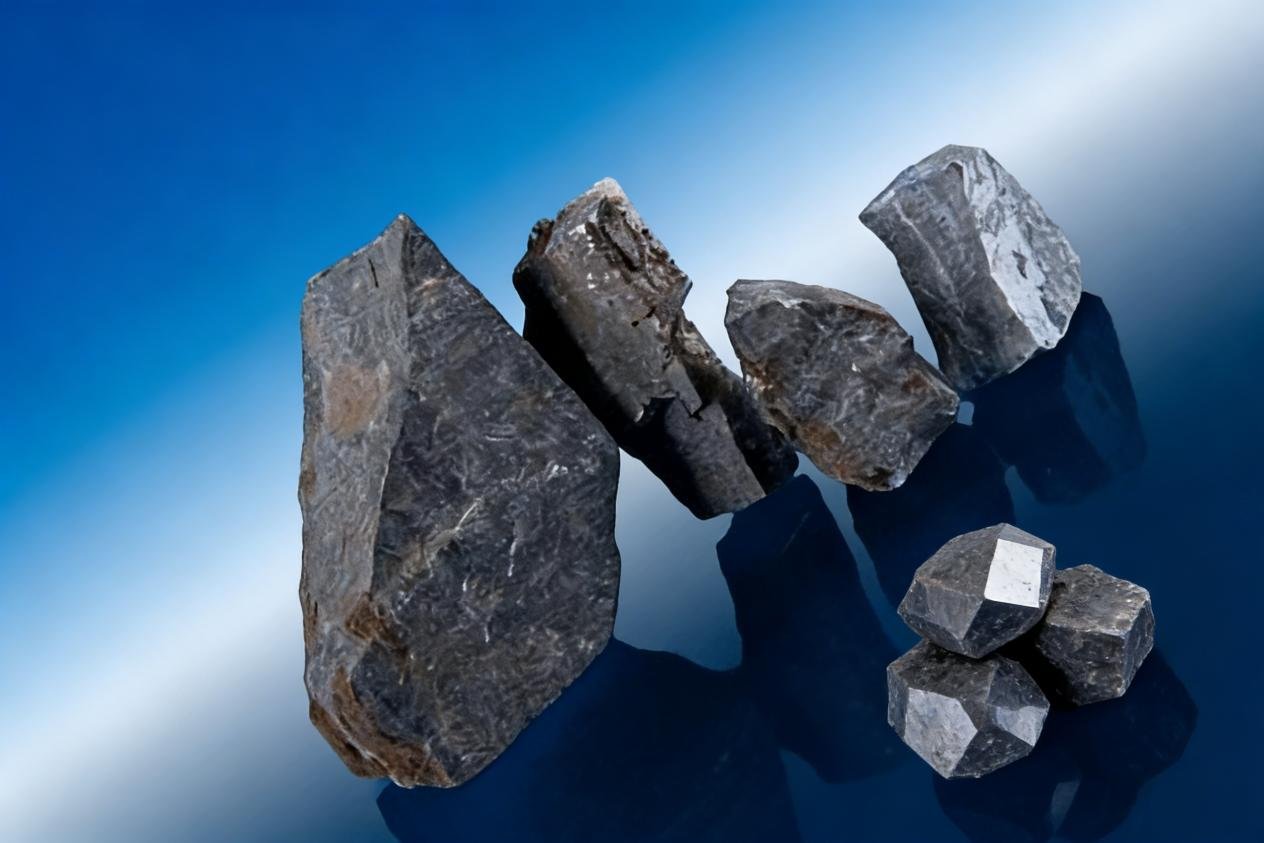
Phosphate rock is the core raw material for phosphate fertilizer production and a crucial non-renewable strategic resource. Although China boasts the world's second-largest phosphate rock reserves, it only accounts for 5% of global reserves, resulting in a low per capita share. Furthermore, its rich phosphate resources are limited, and long-term exploitation has increasingly strained resource security. Reducing exports of primary phosphate fertilizer products helps protect and efficiently utilize the country's limited phosphate rock resources, a practice consistent with many resource-rich nations worldwide.
Phosphate fertilizer, often referred to as the "nutritional meal" for grains, is used in over 60% of agricultural production and is also a key raw material in industrial sectors such as lithium iron phosphate batteries and wood flame retardants. In 2024, global phosphate fertilizer production reached 51.56 million tons, with China ranking first globally with 17.764 million tons, exporting a total of 6.56 million tons, becoming a crucial support for grain production in countries like India and Vietnam. However, behind these impressive figures, the pain point of resource constraints is becoming increasingly prominent: my country's phosphate rock reserves are only 3.7 billion tons, accounting for 5% of the global total, with a low per capita share and a scarcity of high-grade ore. As a non-renewable resource, long-term high-intensity mining has placed it on the list of scarce minerals.
Industrial Upgrading under the "Dual Carbon" Goal
The phosphate chemical industry is a high-energy-consuming and high-emission industry. Restricting exports can indirectly regulate domestic excess capacity, forcing enterprises to carry out technological transformation and green upgrading, reducing carbon emissions throughout the industrial chain, and aligning with the national "dual carbon" strategic goal.
The Price Impact of Key Raw Material "Sulfur"
Besides phosphate rock, sulfur is another indispensable raw material for phosphate fertilizer production. Recently, affected by fluctuations in the international energy market, sulfur prices have continued to soar, surging nearly 200% this year and repeatedly hitting new highs in the past decade. As the world's largest importer of sulfur, China is facing a sharp increase in production costs. At this time, exporting large quantities of phosphate fertilizer would essentially transfer the burden of high raw material costs to domestic agriculture, pushing up food production costs.
Future Outlook: Efficiency Improvement and Global Collaboration
1. Improve Resource Utilization Efficiency: Improve the application efficiency of phosphate fertilizer and reduce waste through technological advancements.
2. Strengthen Recycling: Explore technologies and business models for recovering phosphorus from waste.
3. Ensure Responsible Global Supply: While meeting domestic demand, China will continue to provide long-term, stable, and reliable supplies to the international market, especially key agricultural countries along the Belt and Road Initiative, through market-oriented and self-disciplined methods, jointly safeguarding the lifeline of global food security.