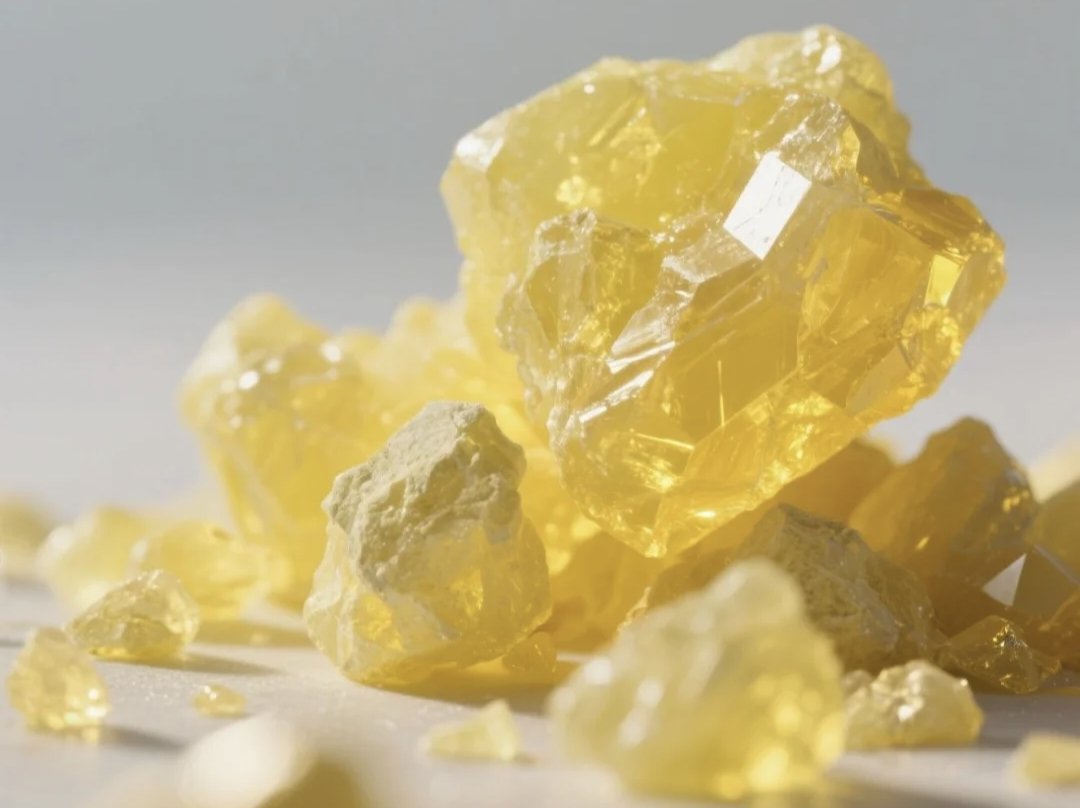



Recently, the global sulfur market has experienced significant fluctuations, with its core driver shifting from traditional fertilizer demand to, in part, the rapidly growing new energy industry. This structural change is profoundly impacting sulfur trade flows and cost structures in Asia and globally through supply chain transmission.
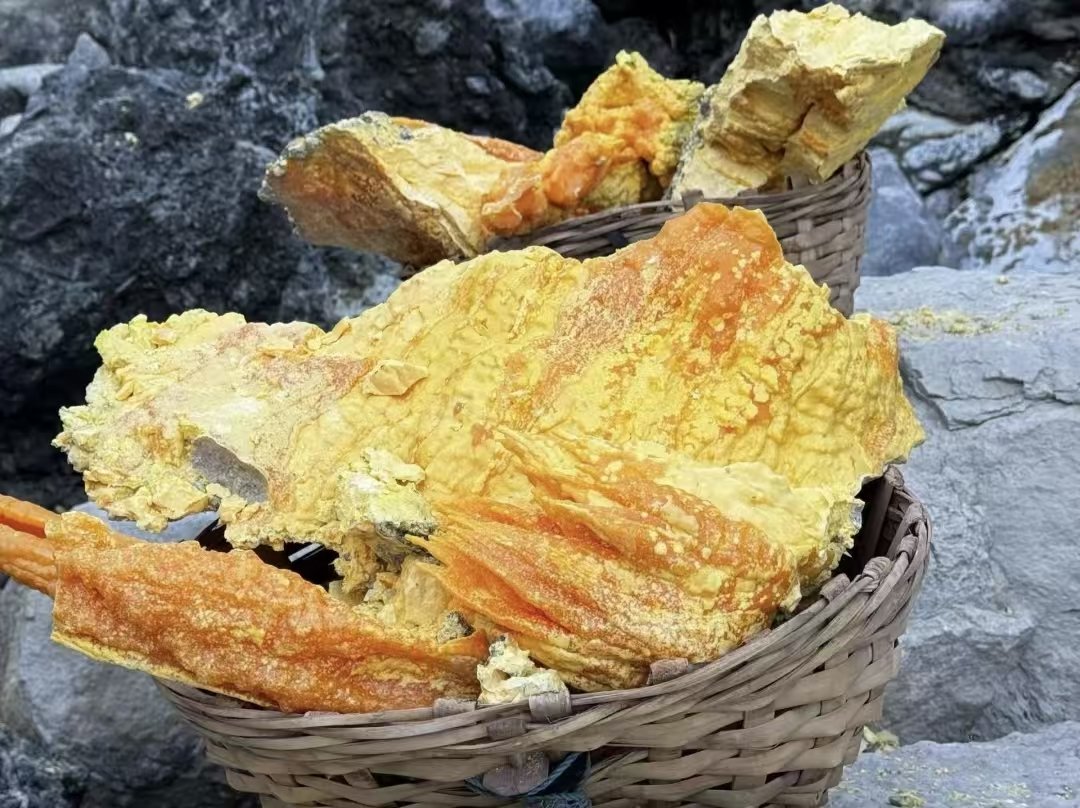
Sudden Surge in Indonesian Demand Reshapes Asian Trade Flows
The biggest variable in the market comes from Indonesia. To support its booming battery metal (nickel) smelting industry, Indonesia is constructing large-scale sulfur-to-acid plants to replace direct sulfuric acid imports. In the first half of 2025, Indonesia's sulfur imports surged to 2.59 million tons, a 74% year-on-year increase. This strong demand has created direct competition with traditional importing countries, including China, intensifying the scramble for limited Middle Eastern supplies.
Prices Fluctuate at High Levels, Supply Tightens
Supported by emerging demand from Indonesia and other countries, international sulfur prices are expected to generally trend upwards in 2025. Currently, the mainstream CFR transaction price range for sulfur in Southeast Asia is $530-540/ton, with Indonesia seeing prices as high as $560/ton, an increase of over 200% since the beginning of the year and a new high for the same period in nearly five years. While high prices have somewhat dampened the purchasing enthusiasm of some buyers, rigid demand remains. At the same time, sulfur exports from CIS countries such as Russia and Kazakhstan have decreased, further exacerbating the tight global supply situation.
China's imports have seen both volume and price increases, with cost pressures being passed down downstream
Since December 2025, the domestic sulfur market has experienced a correction after reaching a near ten-year high, while the international market remains strong at high levels, supported by a tight supply-demand balance, resulting in a significant divergence between domestic and international markets. The core driver of this domestic price correction is policy regulation. On December 18th, under the guidance of the National Development and Reform Commission, the China Sulfuric Acid Industry Association and the China Phosphate and Compound Fertilizer Industry Association jointly held a special meeting, clearly stating that sulfuric acid enterprises must strictly control export volume, and export prices must not be lower than domestic sales prices during the same period. The industry has further clarified that key domestic phosphate fertilizer manufacturers will temporarily suspend exports before August 2026 to prioritize domestic spring planting needs.
The ripple effects on downstream fertilizer industries
Sulfur is a key raw material for phosphate fertilizer production, and its price fluctuations directly impact downstream industries. Rising sulfur prices have directly increased phosphate fertilizer production costs. It is estimated that for every 100 yuan/ton increase in sulfur prices, phosphate fertilizer production costs increase by approximately 45 yuan/ton. To cope with cost pressures, leading companies are mitigating risks by promoting centralized procurement, dynamically adjusting procurement pace, and managing inventory levels.