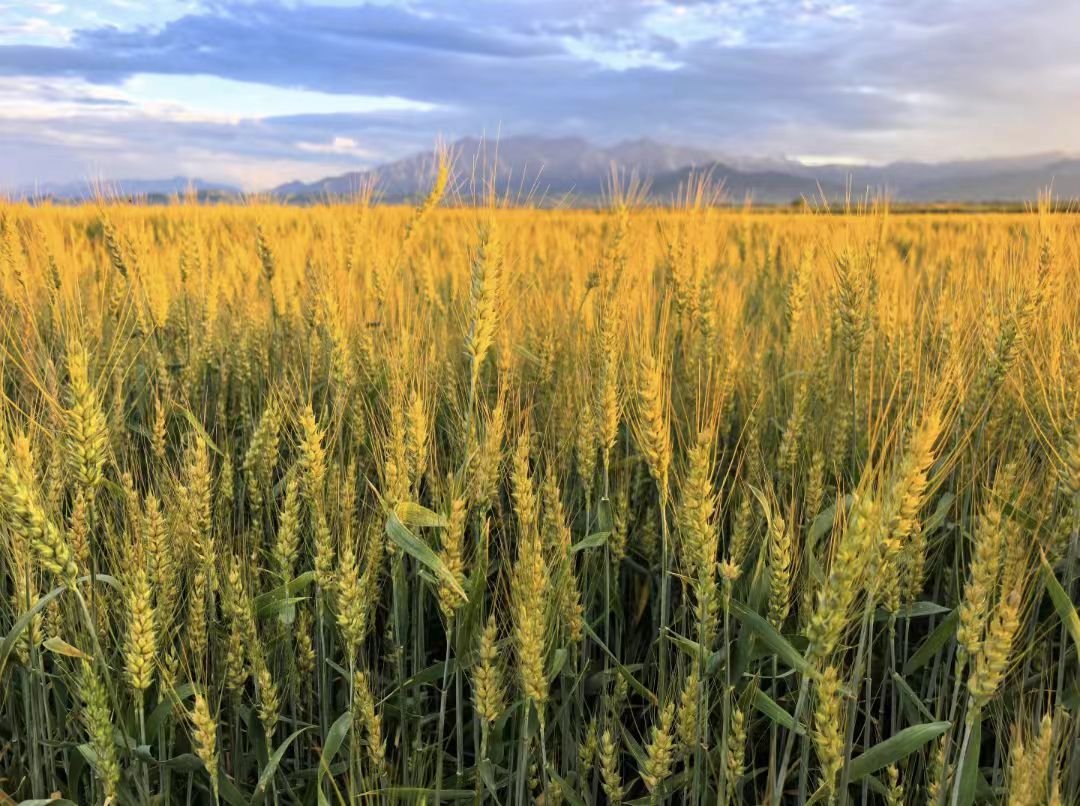



Crop layout, a fundamental concept in agricultural production, refers to the sum of the composition and spatial configuration of crops within a specific region or production unit. Specifically, it includes crop types, varieties, planting area and their proportional relationships, as well as the spatial distribution of crops across regions or fields. In short, crop layout primarily addresses three core issues: what crops to plant, how much to plant, and where to plant. In areas with multiple cropping systems, this concept extends to the timing of successive cropping. Its research scale can be large or small, ranging from national and provincial levels to villages or individual farmers; the time span is equally flexible, encompassing long-term five-year plans as well as annual or seasonal production arrangements.
A rational crop layout can place crops under suitable ecological and production conditions, maximizing crop productivity and achieving a unified economic, ecological, and social benefit, thus possessing irreplaceable significance for agricultural development.
Firstly, crop layout is a strategic solution for optimizing the planting structure. It comprehensively balances factors such as natural resource conditions, socio-economic development levels, technological feasibility, and market demand, achieving optimal resource allocation through the scientific planning of land use. This forward-looking and holistic approach can effectively enhance the comprehensive output capacity of the agricultural system.
Secondly, crop layout is at the central link of agricultural production layout. Crop farming occupies an important position in my country's agricultural production, and the crop planting structure directly affects the coordinated development of agriculture, forestry, animal husbandry, and fisheries. A rational layout helps achieve multiple goals, including high and stable farmland yields, sustainable resource utilization, rural development, and ecological environmental protection, and provides fundamental support for integrated agriculture, forestry, animal husbandry, and diversified operations.
Thirdly, crop layout is a major basis and important component of agricultural zoning. Crop planting zoning is the main content of various specialized zoning plans, providing a key foundation for comprehensive agricultural zoning. It is also an important decision-making basis for formulating special plans such as agricultural development plans, land use plans, and farmland infrastructure construction plans.
Finally, in the context of global trade, crop layout is related to the international competitiveness of my country's agriculture. According to the rules of the World Trade Organization, a crop layout tailored to local conditions helps to leverage the comparative advantages of different regions in my country and compensate for weaknesses. Optimizing the layout can guide resources to concentrate on high-quality, high-yield, and high-efficiency crops, improve the technological content and quality of agricultural products, and thus enhance the competitiveness of my country's agricultural products in the international market.
In conclusion, a scientific and rational crop layout is an important guarantee for achieving sustainable agricultural development, and it has profound significance for ensuring food security, increasing farmers' income, protecting the ecological environment, and enhancing the international competitiveness of agriculture.