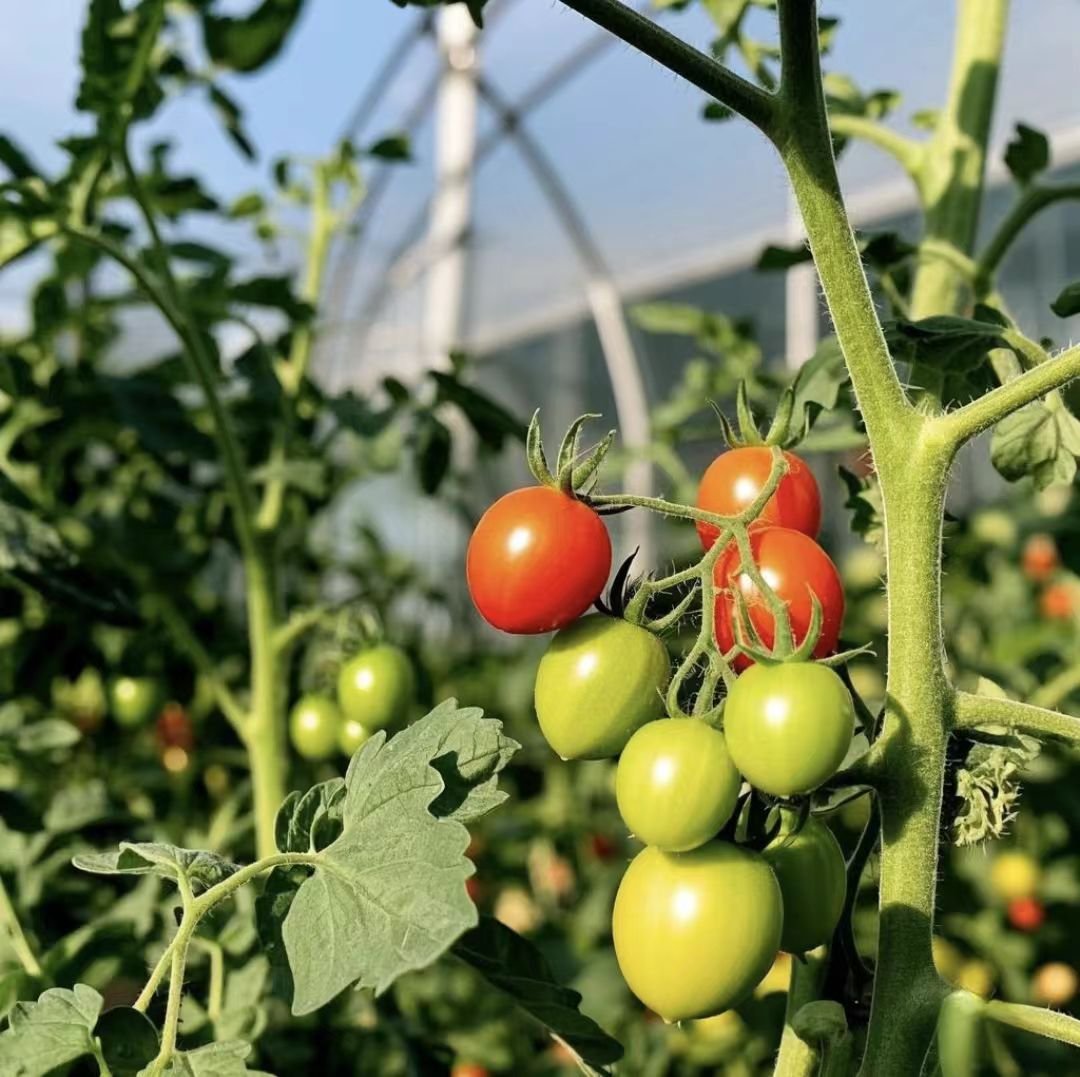



You may be increasingly confused: the more fertilizer you apply, the lower the yield, and the worse the taste of the fruit grows year after year. The problem may not be your lack of effort, but rather that the soil beneath your feet is "sick." These stubborn soil issues are vividly summarized as compacted, nutrient-hungry, barren, shallow-layered, acidic, saline, polluted and disordered, which have become the core bottleneck restricting the sustainable development of agriculture.
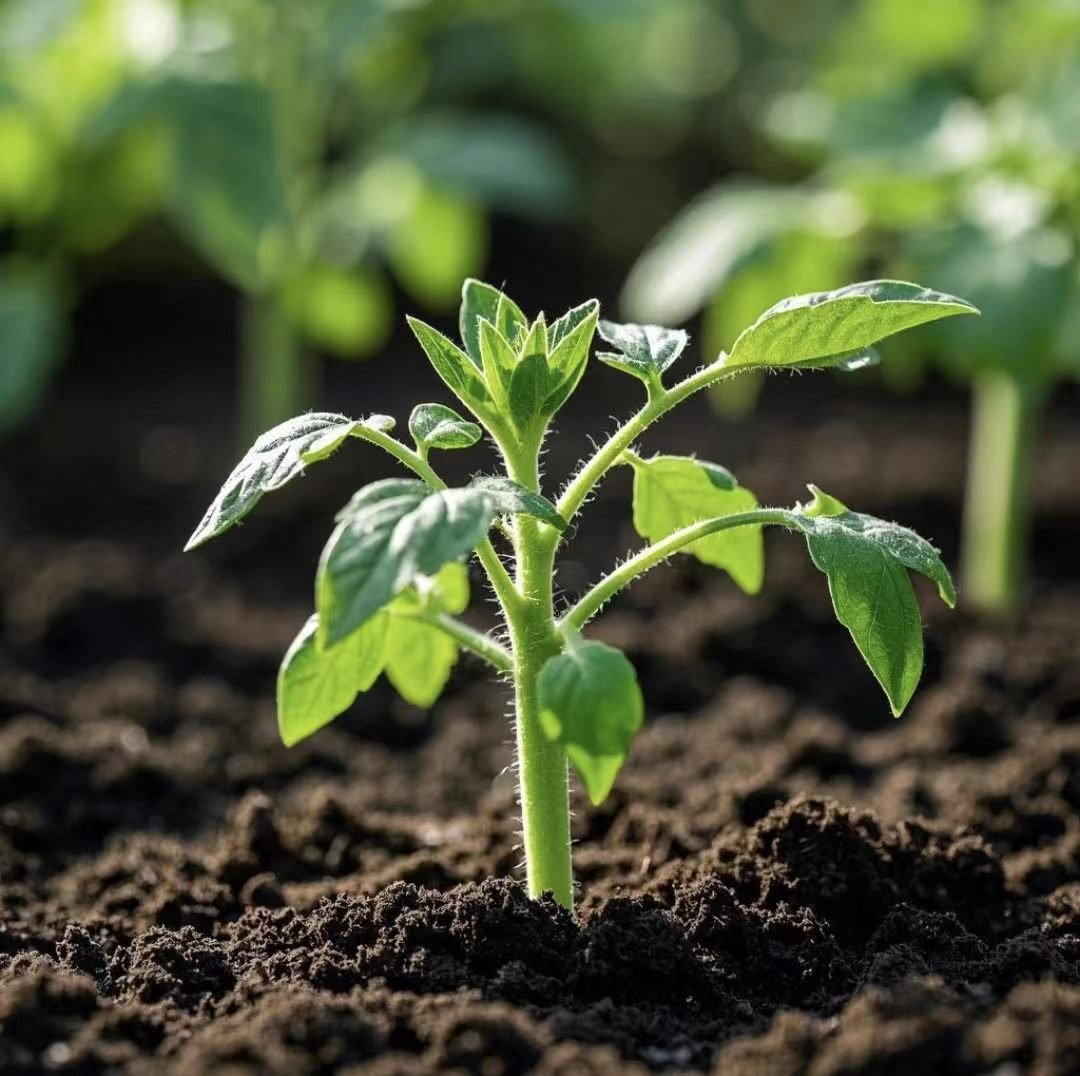
I. Eight Major Problems: Deadly Threats to Soil Health
1. Compacted (Soil Hardening): Long-term excessive application of chemical fertilizers damages the soil's aggregate structure, while insufficient organic fertilizer and mechanical compaction exacerbate the problem. This manifests as hard soil with poor aeration and water permeability, hindered root growth, and fertilizer utilization rates only 50% of normal soil.
2. Nutrient Imbalance: Unbalanced application of nitrogen, phosphorus, and potassium while neglecting micronutrients (calcium, magnesium, boron, etc.), and continuous cropping leading to excessive consumption of specific nutrients. Crops exhibit "nutrient deficiency symptoms," such as blossom-end rot in tomatoes (calcium deficiency) and rapeseed "flowering but not fruiting" (boron deficiency).
3. Poor Organic Matter: The average organic matter content of arable land in my country is only 1.8%, far below the standard for healthy soil (above 3%). Soil water and fertilizer retention capacity declines, microbial activity is low, and nutrient conversion efficiency is poor.
4. Shallow Tillage: Long-term shallow tillage forms a hard plow pan, reducing the effective tillage layer from 30cm to below 15cm. Root systems become "shallow," resulting in poor resistance and susceptibility to drought and flooding.
5. Acidification: Excessive application of physiologically acidic fertilizers and acid rain leaching lower the soil pH to below 5.5. Heavy metals are activated, soil-borne diseases worsen, and nutrients such as calcium and magnesium are lost.
6. Salinization: Excessive fertilization and improper irrigation in greenhouse agriculture lead to salt accumulation in the topsoil. Crop roots struggle to absorb water, resulting in "seedling burn" and a sharp reduction in yield.
7. Pollution: Heavy metals, pesticide residues, and antibiotic contamination threaten agricultural product safety and human health. Soil purification capacity declines, and ecological functions degrade.
8. Continuous Crop Rotation: Continuous cropping leads to the accumulation of pathogens and nematodes, and a reduction in beneficial microorganisms. Old greenhouse areas experience frequent disease outbreaks, resulting in a 30%-50% decrease in yield and deterioration in quality.
II. Scientific Solutions: From Blind Fertilization to Precision Management
Faced with the soil crisis, scientific fertilization + comprehensive improvement is the only way out:
1. Soil Testing and Precision Fertilization: Through soil testing, clarify nutrient status and supply nutrients as needed, avoiding a "one-size-fits-all" approach to fertilization.
2. Organic-Inorganic Combination: Increase the application of well-rotted organic fertilizer to improve organic matter content, and combine it with slow-release fertilizer and bio-fertilizer to improve soil structure.
3. Micronutrient Supplementation: Targeted supplementation of micronutrients such as calcium, magnesium, boron, and zinc to address the "weakest link" effect.
4. Parallel Improvement and Conditioning: Use lime-based conditioners for acidified soils, and employ salt leaching and biological amendments for saline-alkali lands. Deep plowing and straw return are used for compacted soils.
5. Crop Rotation and Fallow: Promote grain-legume rotation and water-upland rotation to reduce continuous cropping obstacles and restore soil micro-ecological balance.
Soil health is the foundation of food security and the guarantee for sustainable agricultural development. Say no to blind fertilization and adopt scientific soil maintenance solutions to remedy the eight major soil problems and achieve a virtuous cycle of increasingly fertile farmland through continuous cultivation.