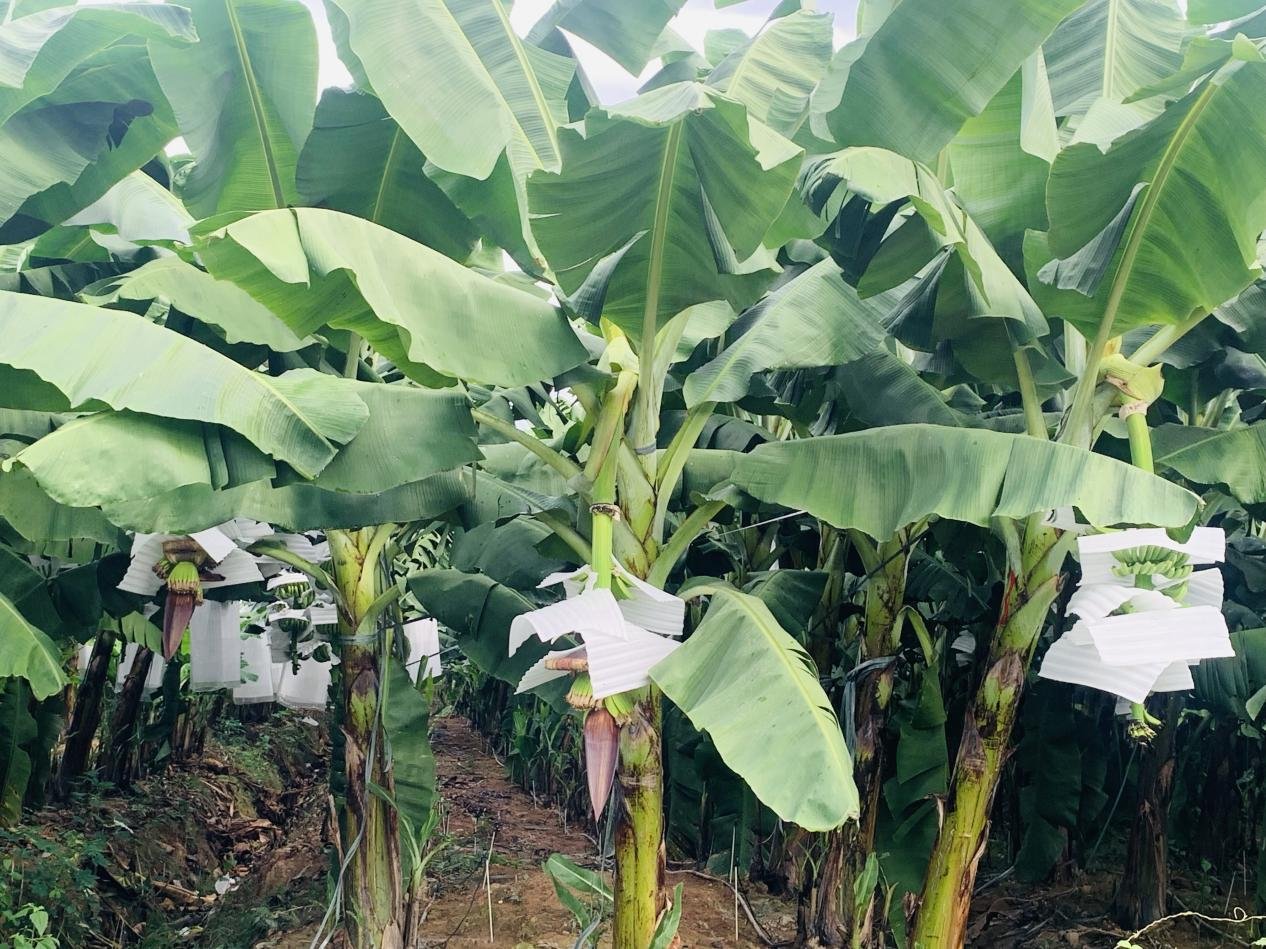



For agricultural growers, the purpose of fertilization is mostly simple and direct: to nourish the crop. For fruit trees, this means fertilizing to promote better growth. However, in reality, fertilizer is often applied not directly to the fruit tree, but to the soil. The saying "supplement what's lacking" is very straightforward. This lack generally has two meanings: one is the deficiency manifested in the branches, leaves, flowers, and fruits of the fruit tree itself; the other is the deficiencies in the soil identified through soil testing and formula fertilization.
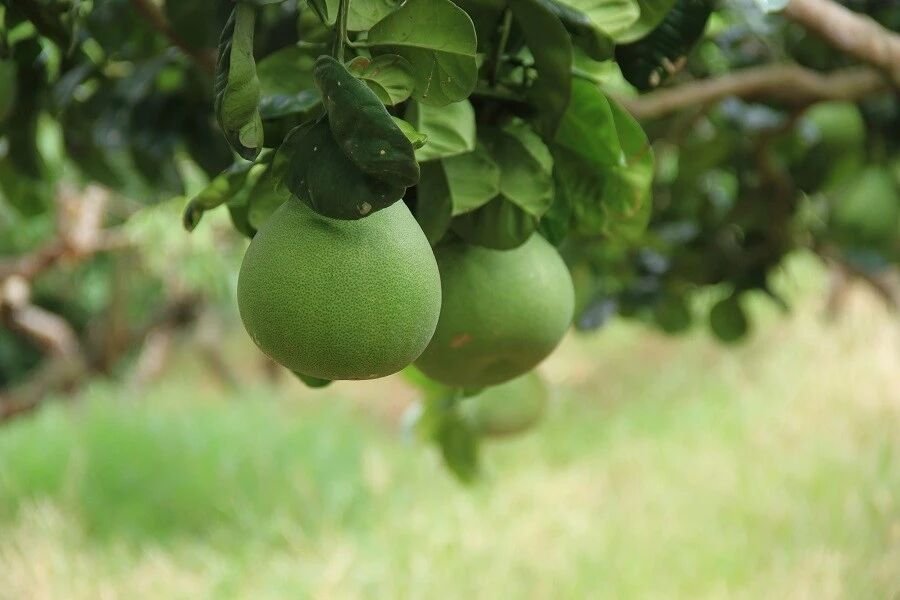
"Is fertilization to directly feed the fruit trees or first nourish the soil?" This is a common question among fruit farmers. A survey conducted by the Fruit Tree Cultivation Technology Extension Center of the Ministry of Agriculture and Rural Affairs in conjunction with agricultural research institutes in multiple regions shows that the core of scientific fertilization is "soil nourishment first, tree-soil symbiosis." The true target of fertilizer is the soil ecosystem, not the direct absorption by the fruit tree. This conclusion provides important guidance for scientific fertilization in fruit-growing areas.
According to Researcher Zhang from the Chinese Academy of Tropical Agricultural Sciences, fruit tree roots cannot directly absorb solid fertilizers; they rely on soil microorganisms to decompose the fertilizers into soluble nutrients such as nitrogen, phosphorus, and potassium. "Soil is the 'converter' and 'storage' of fertilizers," he explained. Blindly applying fertilizers while neglecting soil maintenance can lead to soil compaction and decreased microbial activity, ultimately reducing fertilizer utilization. This is a major reason why some mango and durian growing areas in Southeast Asia experience the phenomenon of "the more fertilizer, the lower the yield."
Scientific fertilization needs to consider both "soil needs" and "fruit tree growth stage needs": During the young tree stage, nitrogen fertilizer should be emphasized to nourish roots and promote shoot growth, combined with organic fertilizer to loosen the soil; during the fruiting stage, phosphorus and potassium fertilizers should be increased to promote flower bud differentiation and fruit development, while nitrogen fertilizer should be controlled to prevent excessive vegetative growth; after harvest, organic fertilizer should be applied to repair the soil and replenish trace elements, storing nutrients for the following year's fruiting. Given the hot and rainy climate of Southeast Asia, a "small amount, frequent application" fertilization method is also necessary to reduce nutrient loss.
Scientific fertilization is key to ensuring the sustainable development of the fruit industry, requiring a balance between soil improvement, nutrient supply, and ecological protection. Fertilizing fruit trees benefits not only the trees but also the land that nourishes all things, the farmers' hopes for a good harvest, and the tacit understanding between humanity and nature. The fertilizer sprinkled into the soil ultimately grows into abundant fruit on the branches, creating the most tangible sweetness in life.