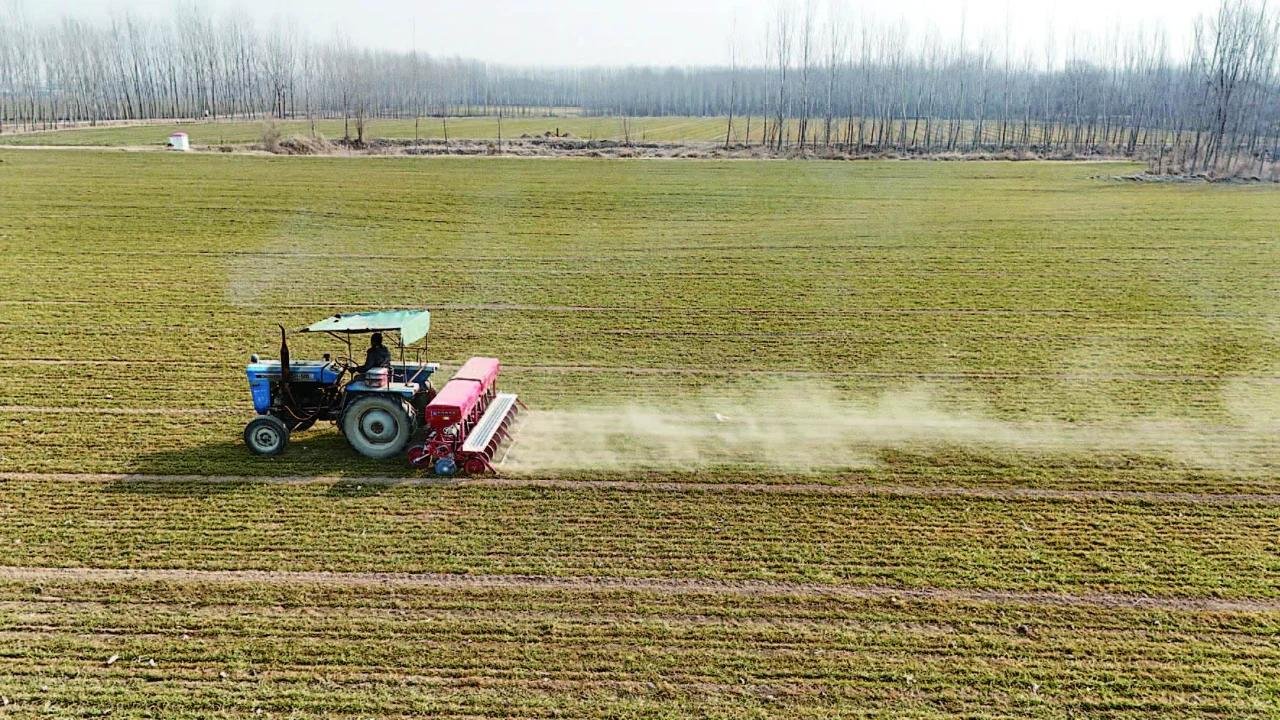



March 2026 marks a critical juncture for the domestic and international fertilizer industries. Domestically, policy regulation is focused on ensuring supply for spring planting, while internationally, geopolitical conflicts have led to a supply chain crisis, resulting in persistently high and volatile prices. The industry is characterized by a clear pattern of "stable domestic supply and tight international supply."
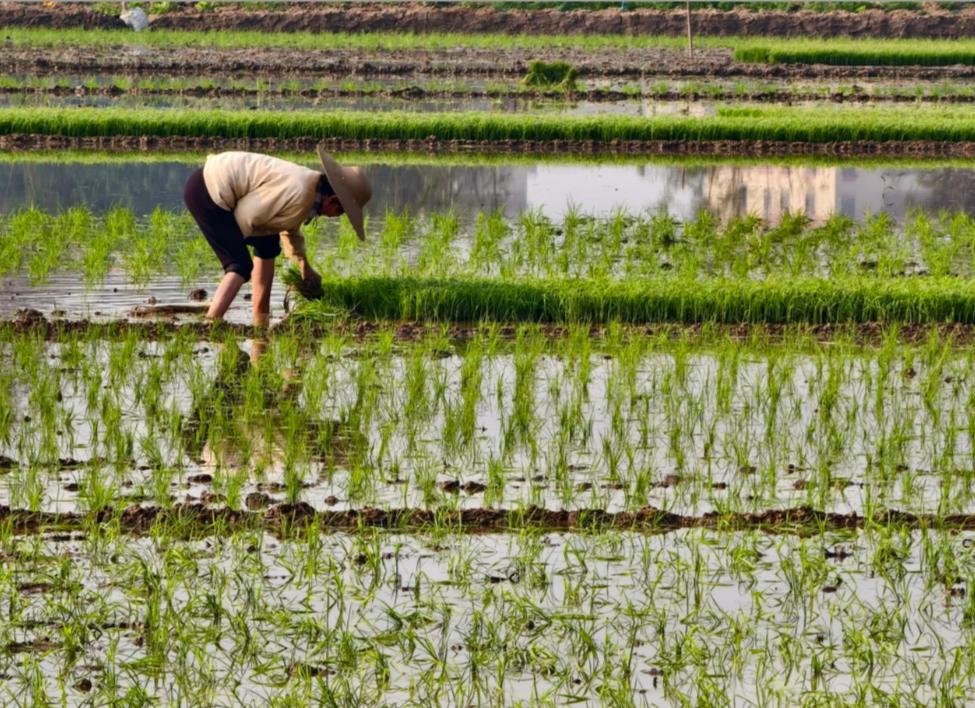
1. Full Implementation of Supply and Price Stabilization Policies
Domestically, to fully guarantee spring planting production, my country implemented the strictest fertilizer export controls in history starting March 14th. Customs suspended all new export declarations for phosphate fertilizers and phosphate-containing fertilizers, and exports are generally suspended until August. Nitrogen fertilizer companies were required to prioritize domestic supply and strictly control export flows. Simultaneously, the government released over 10 million tons of nitrogen, phosphorus, and compound fertilizer reserves to ensure spring planting supply and facilitate the return of 400,000-500,000 tons of previously planned export goods to the domestic market.
2. Domestic Market Prices Remain Stable with Slight Increases
On the market side, influenced by the urgent demand for spring planting and the surge in raw material prices such as sulfur, fertilizer prices fluctuated at high levels. Major varieties such as urea, phosphate fertilizer, and compound fertilizer saw significant monthly increases, with phosphate fertilizer rising by over 15%. Furthermore, the Central Government's No. 1 Document emphasized reducing fertilizer use and increasing efficiency, leading to a 13.8% growth rate in new fertilizers such as bio-organic fertilizers and controlled-release fertilizers, becoming a new highlight for industry development.
3. International Fertilizer Market Experiences Drastic Fluctuations
In the international market, the supply chain crisis continued to escalate. In early March, Iran blocked the Strait of Hormuz, disrupting the transport of 33% of global urea and 44% of sulfur, among other key fertilizers and raw materials. Urea plants in Qatar and Iran completely shut down, and Egyptian nitrogen fertilizer facilities ceased production due to a natural gas supply disruption. Russia suspended ammonium nitrate exports for one month starting March 21, further exacerbating the global supply shortage. As a result, international fertilizer prices soared, with international urea and phosphate fertilizer prices reaching record highs. The FOB price of Middle Eastern urea surged from $482.5/ton at the end of February to $720/ton in mid-March, a monthly increase of 50%, while phosphate fertilizer and sulfur prices rose across the board.
To address the supply shortage, Brazil activated its strategic fertilizer reserves, several European countries restricted fertilizer exports, the United States opened up fertilizer imports from Venezuela, and Japan began sourcing fertilizers globally after my country tightened its export controls.
Looking ahead, given that my country's urea production is primarily coal-based with ample capacity and no reliance on imports, the domestic fertilizer self-sufficiency system is relatively independent, limiting its vulnerability to international shocks, and overall, fertilizer supply for spring planting is not a concern. However, disruptions to the international supply chain are unlikely to be repaired in the short term, and high prices may persist, impacting global food security. In the long term, the promotion of new fertilizers, the development of green agriculture, and supply chain diversification will become the core development directions for the industry.