



In agricultural production, fertilization is a crucial step in providing crops with "nutritional supplements" and boosting yields. However, if you don't understand the "interactions" between fertilizers, they can actually "fight" each other in the soil—not only can nutrients cancel each other out, but harmful substances may also be produced, leading to stunted crop growth, reduced yields, or even death. Today, we'll guide you through five major taboos to avoid when fertilizing.
1. Avoid Blindly Mixing Nitrogen, Phosphorus, and Potassium: More is not always better; "Targeted Fertilization" is key.
If you think that "applying nitrogen, phosphorus, and potassium together will ensure your crops have everything they need," this is a misconception. An imbalance in the ratio of these three elements can actually inhibit each other's absorption.
Excessive Nitrogen Fertilizer: Inhibits the absorption of phosphorus and potassium, leading to excessive vegetative growth, thin stems, reduced resistance to pests and diseases, and a higher risk of delayed maturity, such as increased empty grains in rice, increased risk of lodging in corn, and poorer fruit quality.
Excessive Phosphorus Fertilizer: Has multiple negative effects on crops and soil. It combines with micronutrients such as zinc and iron in the soil to form insoluble compounds, including inducing zinc and silicon deficiencies, hindering normal crop growth, causing premature maturity, reduced yield, yellowing leaves, small fruits, and potentially exacerbating soil salinization and compaction.
Excessive Potassium Fertilizer: It will hinder the absorption of elements such as calcium, magnesium, and sulfur, causing "calcium deficiency" in crops, such as fruit cracking in tomatoes, heart rot in cabbage, and bitter pit in apples. It can also lead to soil compaction.
Correct practice: Apply fertilizer as needed according to the crop's growth stage and soil fertility. For example, focus on nitrogen fertilizer to promote growth during the seedling stage, use balanced fertilizer during the vegetative growth stage for flowering and fruiting crops, and increase phosphorus and potassium fertilizer during the flowering and fruiting stages to protect flowers and fruits.
Balanced fertilizer link NPK 18-18-18 and NPK 15-15-15
2. Avoid mixing acidic and alkaline fertilizers: Mixing them renders them ineffective and can burn roots.
Directly mixing acidic and alkaline fertilizers will cause a chemical reaction, not only causing nutrients to evaporate but also potentially producing toxic substances that burn crop roots.
Common acidic fertilizers: ammonium sulfate, ammonium nitrate, superphosphate, potassium dihydrogen phosphate, etc.
Common alkaline fertilizers: ammonium bicarbonate, wood ash, quicklime, calcium magnesium phosphate, etc.
Correct practice: Acidic and alkaline fertilizers should be applied at least 5-7 days apart. If the soil is acidic, apply alkaline fertilizer first to adjust the pH; if the soil is alkaline, apply acidic fertilizer first to improve the soil.
3. Avoid indiscriminate application of chlorine-containing fertilizers: They are poison for chlorine-sensitive crops.
While using inexpensive chlorine-containing fertilizers like potassium chloride and ammonium chloride is common, not all crops are chlorine-tolerant. For chlorine-sensitive crops, chlorine can damage cell structure, leading to decreased quality and yield.
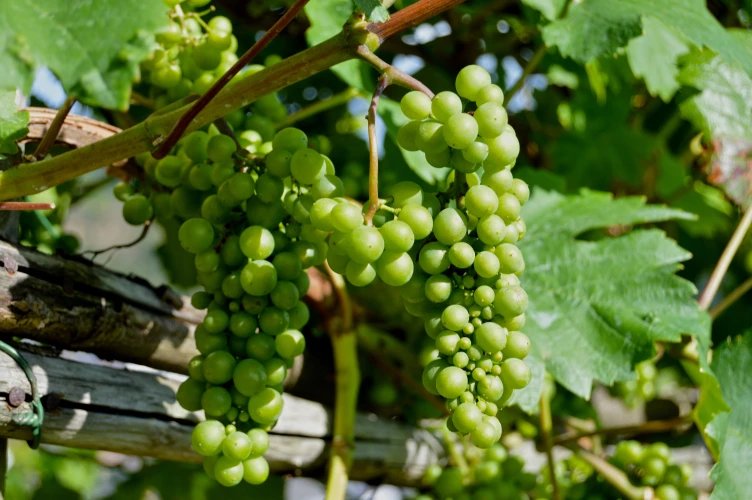
Typical chlorine-sensitive crops include: watermelon, grapes, strawberries, tobacco, tea, potatoes, sweet potatoes, and citrus fruits. For example, watermelons will taste bitter and lose sweetness after chlorination; tobacco leaves will become stiff and burn poorly; and potatoes will have reduced starch content and rot easily.
Chlorine-tolerant crops include: rice, wheat, corn, and cotton. Chlorine-containing fertilizers can be used in moderation, but excessive amounts should be avoided.
Correct practice: Chlorine-sensitive crops should be fertilized entirely with chlorine-free fertilizers (such as potassium sulfate and potassium nitrate). Chlorine-tolerant crops should also have their chlorine-containing fertilizer application controlled to prevent excessive chlorine levels in the soil.
4. Avoid directly burying uncomposted organic fertilizer: Before composting, it's a breeding ground for pests; during composting, it can burn seedlings.
Raw fertilizer (uncomposted fertilizer): This refers to organic fertilizer that has not been fully fermented and composted, such as fresh horse manure, chicken manure, sheep manure, soybean cake, milk, rice water, etc. It must never be applied directly to the soil! Uncomposted organic fertilizer contains a large number of pathogens, insect eggs, and weed seeds. Burying it in the soil will breed pests and cause diseases. Organic fertilizer releases a lot of heat during composting, which can burn the root system.
Correct practice: Organic fertilizer needs to be composted 3-6 months in advance (composting agents can be added to accelerate the process). It should be completely blackened, odorless, and loose before application. Composted organic fertilizer is not only safe, but its nutrients are also more easily absorbed by crops.
5. Avoid indiscriminate spraying of foliar fertilizers: Incorrect timing and concentration are ineffective.
Follicular fertilizers are helpful for emergency fertilization, but improper application can damage leaves. For example, excessive concentration can cause leaf burn, and incorrect timing results in low nutrient absorption efficiency.
Avoid excessive concentration: For example, potassium dihydrogen phosphate foliar fertilizer concentrations exceeding 0.5% can burn leaves, especially in hot weather when water evaporates quickly. The concentration should be lowered (generally 0.2%-0.3%).
Avoid spraying during high temperatures and strong sunlight: Between 10 am and 4 pm, strong sunlight and high temperatures cause foliar fertilizer to evaporate quickly, resulting in less absorption and increased risk of leaf scorch due to rapid water loss.
Avoid fertilizing on rainy days: Especially with fast-acting fertilizers, rainwater will wash them away, wasting fertilizer and causing environmental pollution.
Correct practice: Choose cloudy days or evenings to spray foliar fertilizers, strictly following the instructions for concentration. Lower concentrations are recommended for seedlings, while slightly higher concentrations are acceptable for mature plants.