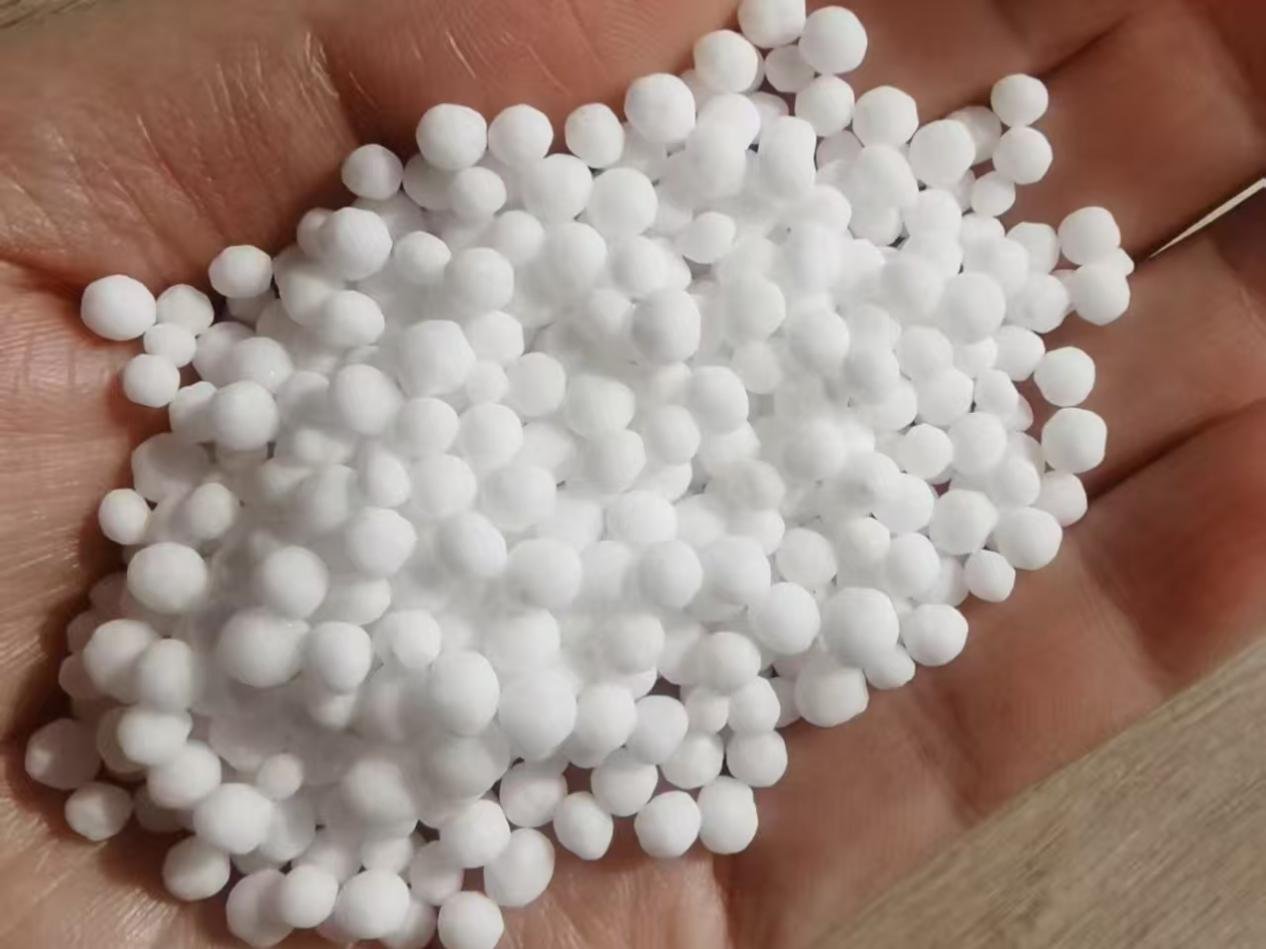



Policy Implementation: Total Quota of Approximately 3 Million Tons, First-Ever Export Price Base System Established

Recently, China's urea export policy has seen a substantial breakthrough. According to market sources, the first batch of export quotas, totaling approximately 3 million tons, was officially issued on May 26th, with full-scale shipments and exports commencing in June. The implementation period covers June to August, with the export window tentatively set before October 31st. June exports are strictly controlled to within 50% of the total quota.
The highlight of the new export policy is that the National Development and Reform Commission has for the first time established a clear floor price system for exports to put an end to predatory pricing and disorderly exports. The FOB floor price for small-particle urea is USD 660 per metric ton, and that for large-particle urea is USD 670 per metric ton. An additional USD 20 per metric ton will be applied to the base floor price for exports to the Indian market.
Market Reaction: Domestic Spot Prices Rise Immediately
Directly boosted by the implementation of the export quotas, sentiment in the domestic urea market has quickly recovered. Starting May 26th, spot prices in many regions rose. Previously, China's urea exports from January to March 2026 were only 461,500 tons. During the spring planting season, policies were generally tight, and the issuance of new quotas was suspended. This quota release breaks the stalemate that lasted for more than two months.
The Necessity of Exports: High Inventory and Off-Season Demand
The domestic urea market is facing a situation of ample supply and weakening demand.
Supply Side: Daily output remains at a historical high of over 210,000 tons, the industry operating rate remains high, and new capacity continues to be released; at the same time, enterprise inventory has climbed to 776,500 tons, an increase of 205,000 tons compared to the previous period, a month-on-month increase of 35.87%.
Demand Side: Spring planting has basically ended nationwide, agricultural demand has entered the off-season, the operating rate of compound fertilizer enterprises continues to decline, and industrial procurement is generally weak.
With a new round of urea bidding approaching in India, international market demand is expected to rebound, and the release of China's export quotas will provide a stable supply to the global urea market. Meanwhile, the price floor mechanism not only safeguards the export profits of domestic enterprises but also prevents dumping at low prices, thus maintaining the international image of China's fertilizer industry.
This export policy reflects the national strategy of "ensuring supply and stabilizing prices, and precise regulation": under the premise of ensuring domestic food security, it flexibly adjusts domestic market supply and demand by "opening" and "closing" export quotas, balancing the interests of enterprises and agricultural needs.