


On July 9th, 2026, the General Administration of Customs issued Announcement No. 97 of 2026, deciding to adjust the list of import and export commodities subject to mandatory inspection. According to the announcement, starting July 16th, 2026, two 10-digit customs commodity codes involving the export of ammonium sulfate will have a new customs supervision condition "B," and customs will implement export commodity inspection on these commodities. This marks a further improvement in my country's fertilizer export supervision system, and a continuous increase in the compliance threshold for bulk nitrogen fertilizer exports.
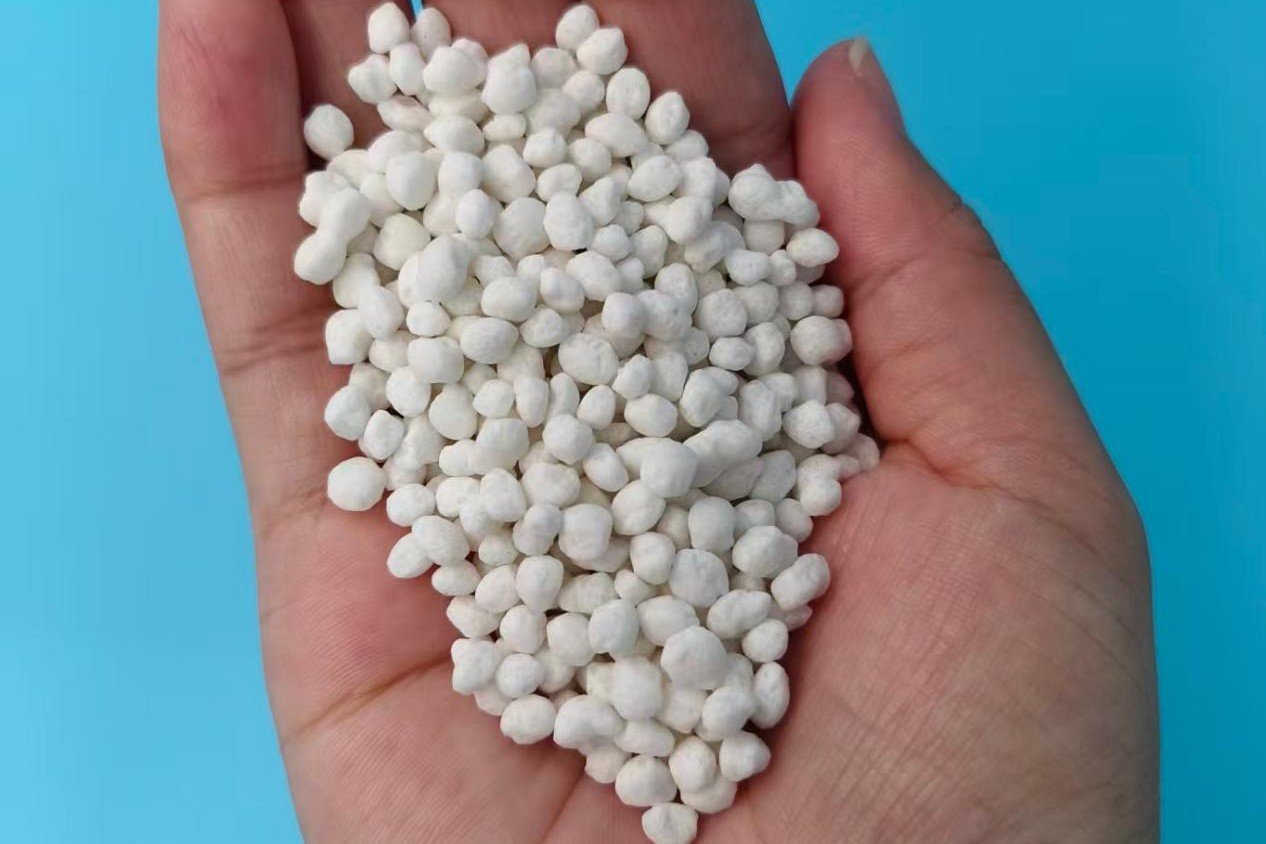
According to the announcement, the newly added commodities subject to mandatory export inspection involve two 10-digit customs codes: 3102210000 Ammonium sulfate and 3102290000 Ammonium sulfate and ammonium nitrate double salts and mixtures. Previously, there were no mandatory statutory inspection requirements for the export of these categories, and enterprises could directly handle customs declaration procedures. After the policy is implemented, relevant goods must be declared to customs for inspection before export. Only after on-site verification, sampling and testing, and obtaining an electronic release certificate can subsequent customs clearance procedures be processed.
As my country's largest exported fertilizer, ammonium sulfate exports have been steadily increasing in recent years. Customs statistics show that from January to May 2026, my country's cumulative ammonium sulfate exports reached 8.37 million tons, a year-on-year increase of 20%, accounting for nearly 60% of the country's total fertilizer exports during the same period. Brazil, Turkey, India, and many Southeast Asian countries are the core export markets, and it is widely used in the cultivation of crops such as soybeans, sugarcane, and rice. Industry analysts point out that including ammonium sulfate in the legal inspection management aims to regulate export trade order and prevent a few companies from circumventing supervision by misreporting product names or using inferior products. It also helps improve the reputation of the quality of my country's exported fertilizer products, ensuring that the nutrient content, packaging, and labeling of exported products meet international standards.
The global fertilizer market is currently undergoing complex adjustments. Entering July, the global nitrogen fertilizer market showed divergent trends—urea prices rose against the trend, driven by demand in Europe and the United States, with the Egyptian FOB price reaching a high of $448 per ton; while ammonium sulfate prices continued their weak and volatile trend. The bulk price of caprolactam-grade ammonium sulfate in China fell from $170-180 per ton last week to $157-165 per ton.
Since 2026, my country's fertilizer export supervision has generally been tightening. From March 14th, the export of agricultural monoammonium phosphate, diammonium phosphate, and phosphorus-containing compound fertilizers was suspended nationwide, with the control period lasting until August 31st, to ensure a stable supply of fertilizers for spring planting in China; from May 1st to December 31st, the export of ordinary industrial sulfuric acid and smelting by-product sulfuric acid was completely suspended, further tightening the outflow channels of upstream raw materials. Urea continues to be subject to the annual quota management system, with the export pace strictly controlled during the peak spring planting season.