


On June 23, Iranian officials officially confirmed the full reopening of the Strait of Hormuz to global merchant ships, with the US and Iran simultaneously establishing a communication mechanism to ensure safe passage. As a core transportation channel for global fertilizer trade, the strait handles approximately one-third of global urea trade and nearly half of sulfur exports. The reopening has quickly impacted the international fertilizer market, resulting in a clear divergence in the prices of nitrogen and phosphorus fertilizers. Supply chain pressures are gradually easing, but uncertainties remain.
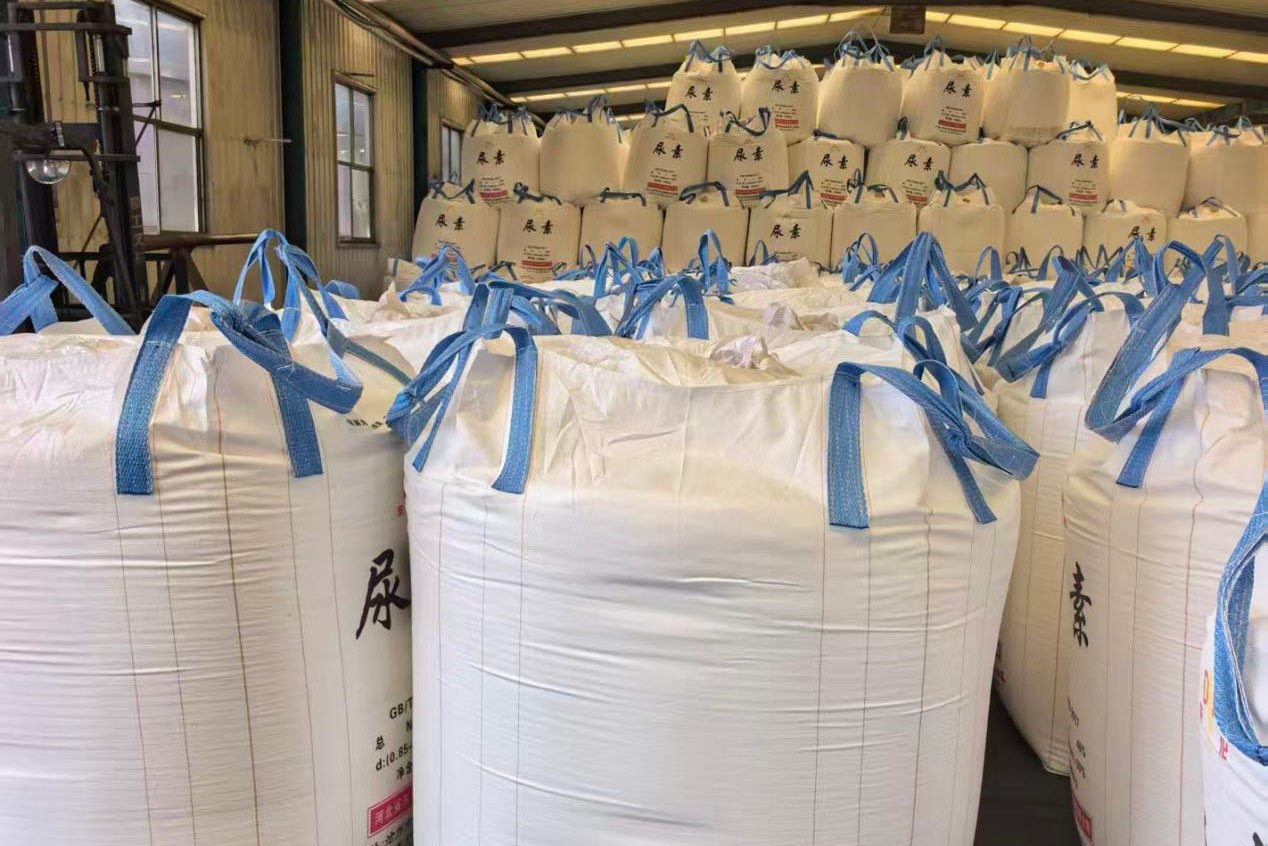
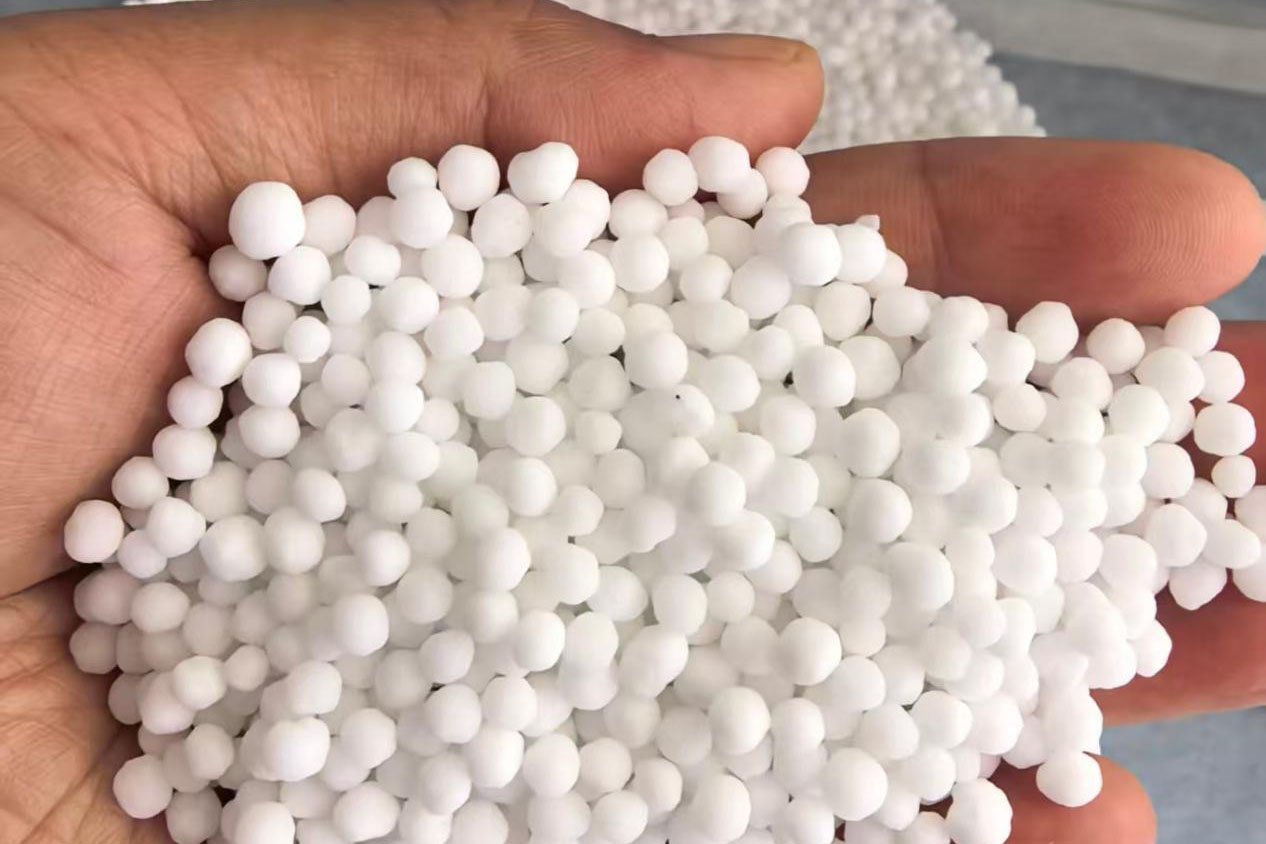
From a price perspective, nitrogen and phosphorus fertilizers are exhibiting drastically different trends. Urea has seen the most significant price drop in this round of adjustments. International urea prices continue their downward trend, with mainstream CFR prices currently around $475/ton, nearly halved from the high of $918/ton in early April. This rapid price decline is mainly driven by three factors: seasonally weak demand in the Northern Hemisphere, relaxed export policies in China, and expectations of the reopening of the strait.
The phosphate fertilizer market remained firm, becoming the strongest performer in the current fertilizer market. As of late June, the mainstream CFR price of diammonium phosphate (DAP) remained in the range of $930-980/ton, and monoammonium phosphate (MAP) was quoted at $900-950/ton, failing to decline in tandem with nitrogen fertilizer prices. The core support came from upstream sulfur costs. Although the opening of the Taiwan Strait shipping route led to a decline in sulfur prices from previous highs, current FOB prices remain above $800/ton, still more than 120% higher than at the beginning of the year. Global phosphate fertilizer producers are generally facing significant cost pressures, coupled with persistently low Chinese phosphate fertilizer exports, resulting in an overall tight international phosphate fertilizer supply.
The potash fertilizer market also remained firm. In the Southeast Asian market, an Indonesian importer finalized a tender for 75,000 tons of standard potassium chloride at a price of $423/ton CFR, pushing up the regional price ceiling. The reference price for potash fertilizer in the Brazilian market was approximately $386/ton. The final price for India's 2026 potash fertilizer contract was set at $383/ton CFR, an increase of $34/ton compared to last year.
It is worth noting that the current navigation arrangement is only a temporary 60-day arrangement, and the market will still need time to fully recover. Ship tracking data shows that more than 40 ships fully loaded with fertilizer are still stranded in the Persian Gulf, and oil tankers and LNG carriers will have priority passage after the navigation arrangement is completed. Full-scale transportation of fertilizer is expected to take another 2-3 months.