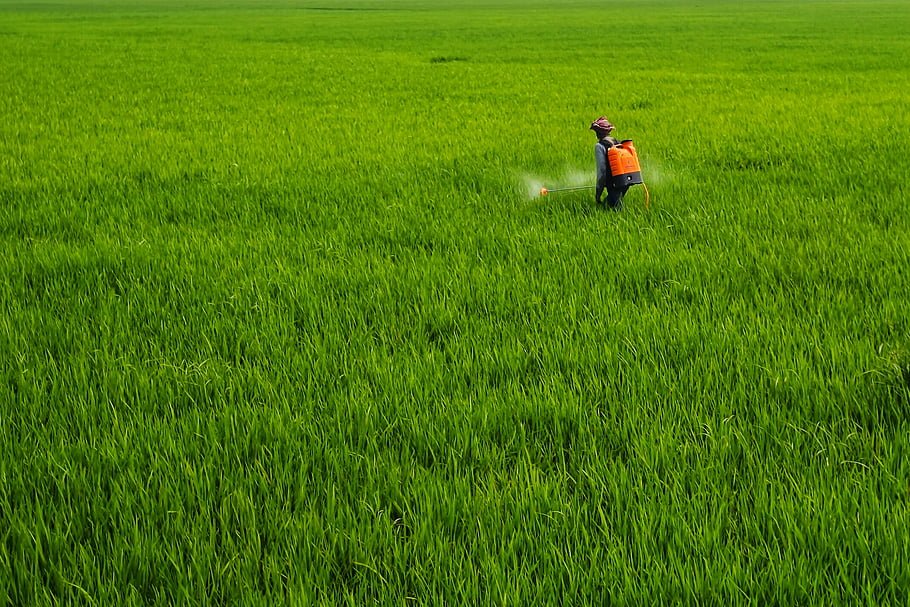



As of mid-September, the global fertilizer market shows a divergent pattern. International markets remain firm with fluctuating prices, supported by major tenders in South Asia and geopolitical disruptions to shipping. Meanwhile, the domestic market has entered the stocking phase for autumn wheat fertilizers; supplies are ample, and the market is characterized by "stable listed prices but softer actual transaction prices," with the industry prioritizing supply security and maintaining self-imposed quota management on exports.
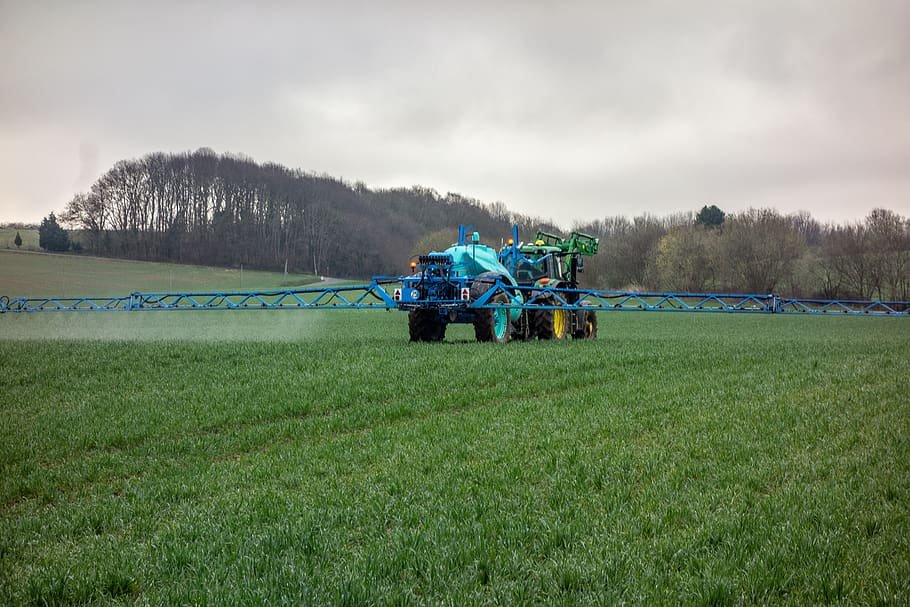
Internationally, Asia is currently the core of global fertilizer demand. Bangladesh completed a DAP tender in August, and India is preparing for a new round of autumn fertilizer tenders, providing a price floor for urea and DAP. Middle East urea FOB prices are hovering between $390 and $425 per tonne, fluctuating within this range; shipping conditions in the Strait of Hormuz remain the biggest uncertainty, as any blockage could trigger a rapid rebound in international fertilizer prices.
DAP prices remain firm with limited downside potential, supported by high raw material costs (sulfur) and shipping constraints in the Middle East. Bangladesh concluded a tender for hundreds of thousands of tonnes of DAP in August, with an actual purchase volume of approximately 220,000 tonnes. India's DAP CFR price remains stable in the $930–$935 range; the market is awaiting the launch of India's next tender, which will directly determine the future trajectory of Asian phosphate fertilizer prices.
The MOP (potash) market faces weak demand, with prices fluctuating. EU sanctions on Belarusian potash exports persist, driving up cross-border transport costs. India's annual long-term contract price of $383/tonne CFR serves as the price anchor for Asian potash; buyers in Southeast Asia and Latin America remain in a "wait-and-see" mode with little appetite for high-priced purchases, making a significant price surge unlikely in the short term. The UN Food and Agriculture Organization (FAO) continues to warn that shipping risks in the Strait of Hormuz and climate-related expectations will continue to impact the stability of the global fertilizer supply chain.
The domestic market is currently in the preliminary stage of stocking up for autumn fertilizers; while supplies are generally ample, the release of end-user demand remains slow. Domestic urea production capacity is ample, with securing domestic supply as the primary objective; exports are subject to self-regulated quota management. While a price spread exists between domestic and international markets, the pace of exports remains controlled. The phosphate fertilizer market was previously constrained by high sulfur prices, putting pressure on corporate profitability; however, sulfur prices retreated in September, easing cost pressures. Nevertheless, downstream stocking for autumn fertilizers has been slow, prompting some plants to reduce operating rates. Domestic port inventories of potash are sufficient with continued arrivals of imports, yet demand has not materialized in volume; market trading remains sluggish, and prices are trending weak.
Overall, the key variables in the international market center on tender results in South Asia and the security of shipping lanes in the Middle East, while the domestic market hinges on whether orders for wheat base fertilizers in the Huang-Huai-Hai region materialize in significant volume. Although international prices exceed domestic levels—creating potential for export profits—export quotas and policies prioritizing domestic autumn fertilizer supplies will continue to limit export volumes. In the short term, if overseas buying remains weak, international fertilizer prices face downward pressure in the fourth quarter, whereas geopolitical conflicts represent a "black swan" factor that could drive prices upward.