



Under the general trend of improving agricultural quality and efficiency, microbial fertilizers, with their unique advantages of improving soil, activating nutrients, and enhancing crop resistance, have become one of the core categories in modern agricultural fertilization systems. However, behind the soaring market demand, the "unstable effect" problem commonly reported by growers has brought the survival rate of live bacteria in microbial fertilizers to the forefront of industry attention.
Product is fundamental: Innovation in strain technology and carrier processes
The efficacy of microbial fertilizers depends first and foremost on their own "hard power." Current research and development is no longer limited to screening highly efficient strains, but also focuses on improving their environmental adaptability and function through microbial technology modification. Spore-forming strains such as Bacillus subtilis can form dormant spore structures, resulting in longer survival periods in harsh environments such as high temperature and drought. The carrier is the "habitat" of the microbial community. A high-quality carrier must meet three major requirements: water and fertilizer retention, air permeability and looseness, and nutrient suitability. Common carriers include well-rotted organic fertilizer, peat moss, and vermiculite.
Soil is Key: Creating a Suitable Colonization Environment
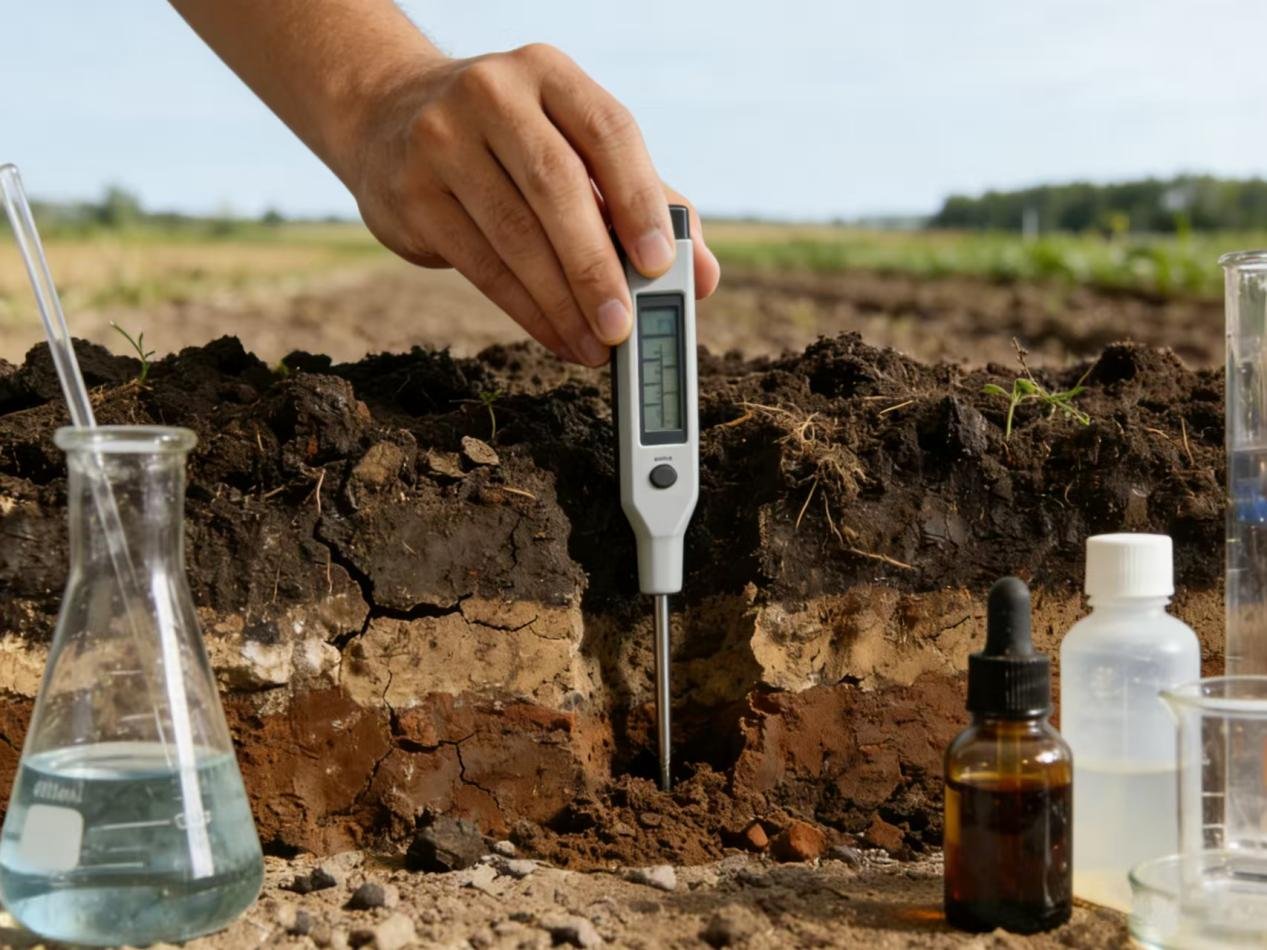
After microbial fertilizer is applied to the soil, its fate is determined by the soil microenvironment. Soil pH is the primary threshold; most functional bacteria thrive in neutral to slightly acidic soils. Secondly, abundant organic matter is the "granary" for microorganisms. Data shows that in infertile soils with organic matter content below 1.5%, the survival rate of microbial fertilizer may be more than 50% lower than in fertile soils. Furthermore, suitable temperature and humidity (typically 20-30℃, field capacity 60-70%) and good aeration are essential conditions for the microbial community's life activities. Excessive heavy metals, pesticide residues, and high concentrations of salt ions in the soil can also have toxic effects on the microbial community.
Application is the Guarantee: Avoiding Misconceptions and Precise Management
Scientific field operations are the final link in protecting the living bacteria. The primary principle is to avoid direct mixing with fungicides and high-concentration chemical fertilizers, as both can directly kill or inhibit microorganisms. If soil disinfection is necessary, microbial fertilizer should be applied only after an interval of 7-10 days. Furthermore, the timing and method of application are extremely important. It is recommended to apply the fertilizer in furrows or holes on cloudy days or in the evening, and cover it with soil promptly to avoid direct ultraviolet radiation and rain erosion. After applying the microbial fertilizer, scientific field management is necessary. Avoid flooding; use water-saving irrigation methods such as drip irrigation or sprinkler irrigation to maintain soil aeration.
The survival of microbial fertilizers is crucial from the factory to the application process. Improper handling during storage and transportation can prematurely deplete the activity of the microbial community. Microbial fertilizers should be stored in a cool, dry, and well-ventilated place, avoiding direct sunlight and high temperature and humidity environments. Bagged microbial fertilizers should be stored in sealed containers to prevent moisture absorption and clumping. During transportation, avoid violent bumps and compression to prevent packaging damage that could expose the microbial community to harsh environments, and avoid transportation during periods of high temperature and direct sunlight.