



June 2026 marked a crucial turning point for the global fertilizer market. India's latest urea tender prices plummeted, and international price indices retreated from their highs. Geopolitical conflicts and policy adjustments jointly shaped market trends, presenting the industry with both new opportunities and challenges.
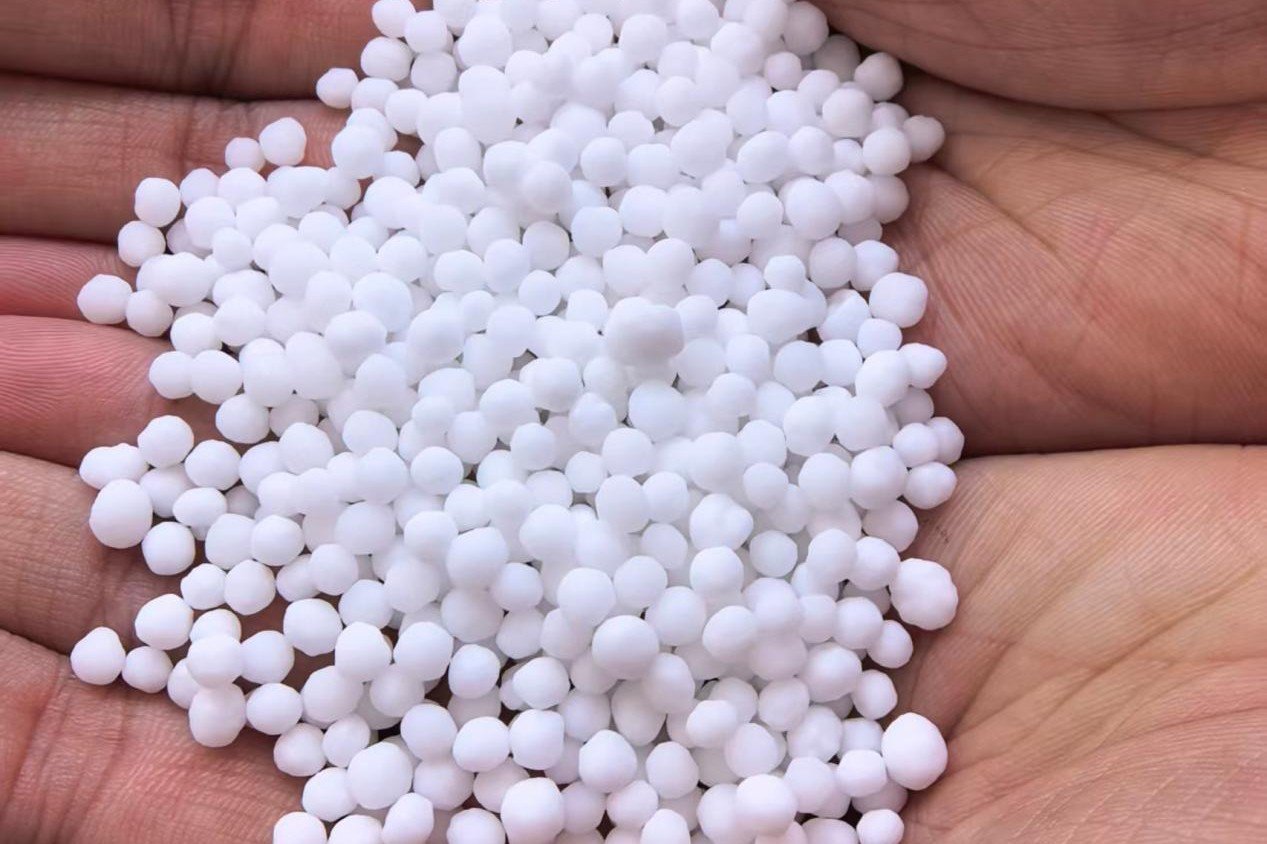
India's urea tender prices halved, significantly reducing procurement costs. On June 8th, the National Fertilizer Corporation of India (NFL) opened tenders for 1.7 million tons of urea, receiving offers for 6.2505 million tons from 33 suppliers. Final minimum CFR prices: $444.90/ton for the East Coast and $449.30/ton for the West Coast, representing a decrease of over 50% compared to the April tenders from Indian Potash Corporation (IPL) at $959/ton (East Coast) and $935/ton (West Coast). This tender requires shipment to be completed by July 20th at the latest, with Chinese companies becoming the main suppliers, accounting for over 60%.
Phosphate and potash fertilizer prices remain high and firm, with green fertilizers becoming a key focus of transformation. Affected by the surge in sulfur prices, the CFR price of 55% monoammonium phosphate remained stable at $570-590/ton. Potash fertilizer import contract prices were raised, with Southeast Asian CFR prices remaining at $385-410/ton. Demand for green fertilizers is growing rapidly, with the global organic fertilizer market projected to reach approximately $11 billion by 2026, representing a year-on-year increase of about 8%-9%. In China, sales of new, high-efficiency fertilizers such as water-soluble and slow-release fertilizers have increased by over 15% year-on-year.
The global fertilizer market is currently at a critical juncture of policy reshaping and price restructuring. The easing of restrictions on urea exports from China is a long-term benefit for foreign trade enterprises, but the risk of international price wars needs to be guarded against. Lower tender prices in India have led to price reductions in the Asian market, while demand in Africa and Latin America remains stable. In the short term, geopolitical conflicts may still cause price fluctuations; in the long term, low cost, high efficiency, and green practices will become the core competitiveness of fertilizer exports.