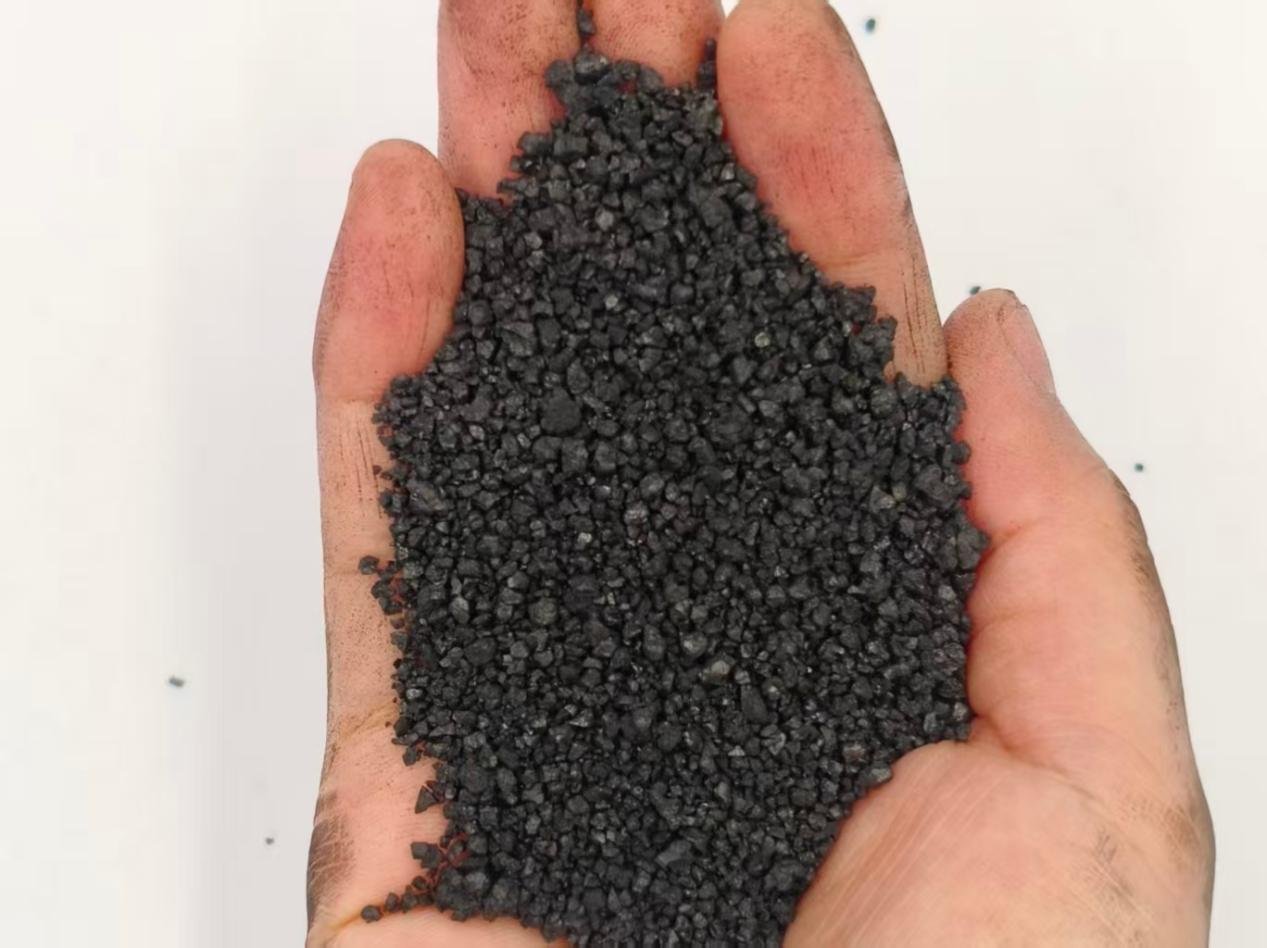



Humic Acid: Definition, Characteristics, and Multiple Functions
Humic acid is a mixture of natural organic macromolecules widely found in nature. It is mainly formed from the decomposition and transformation of plant and animal remains (especially plants) by microorganisms and through long-term geochemical processes. It is widely distributed in soil, water bodies, sediments, and low-calorific-value coals such as peat, lignite, and weathered coal, and is a core effective component of soil organic matter. It is estimated that the total amount of humic acid on Earth is in the trillions of tons, and it has a profound impact on carbon cycling, mineral migration, soil fertility, and ecological balance.
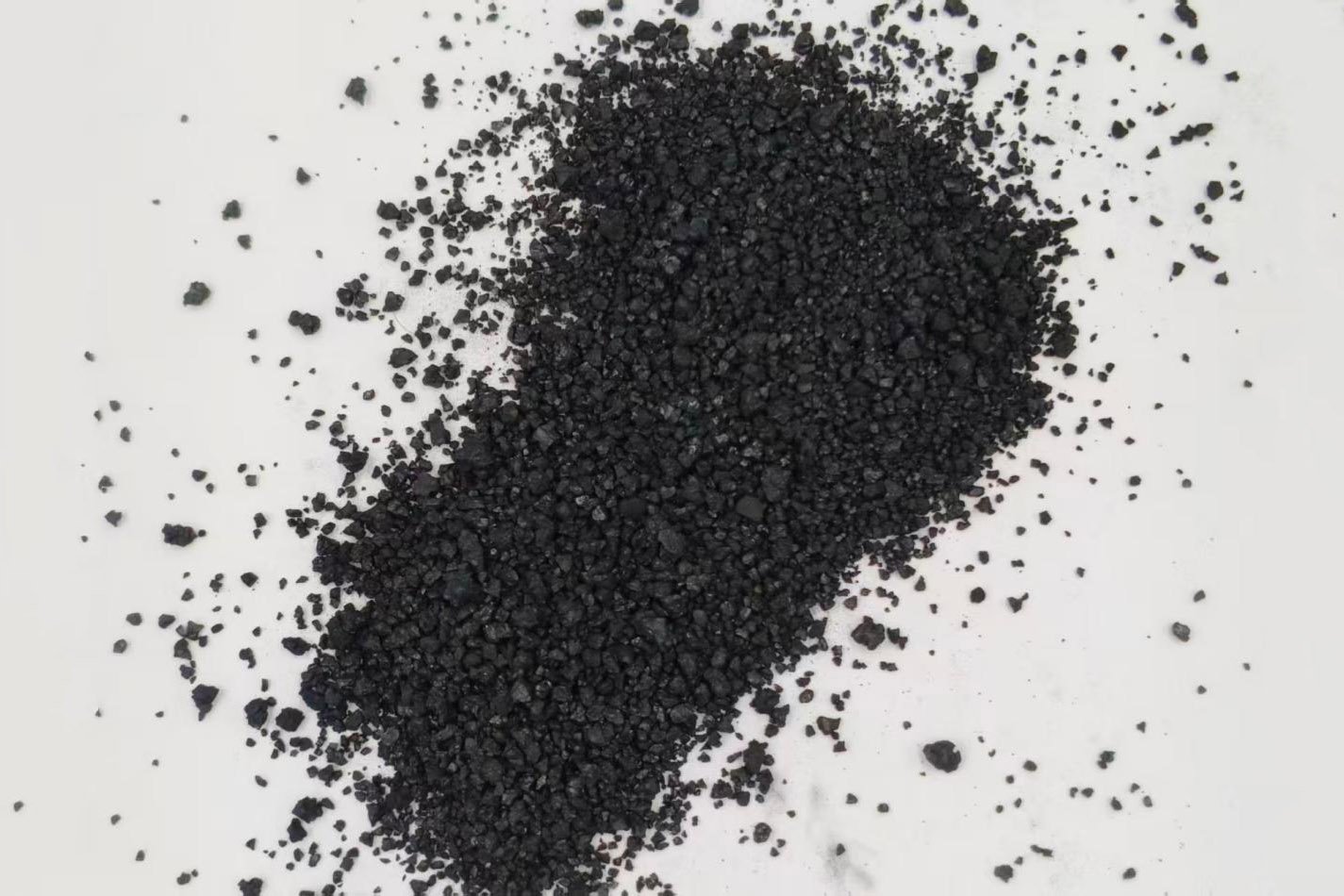
Its Role in Agricultural Soil Improvement
Improving soil structure and optimizing the soil environment are the most fundamental and core functions of humic acid. First, it is the most active and effective component of soil organic matter. Applying humic acid can promote the formation of soil aggregates, making the soil loose, preventing compaction, and increasing the soil's water retention, fertilizer retention, and aeration capacity. At the same time, it can also regulate soil pH, increase the soil's cation exchange capacity, thereby enhancing the soil's buffering and fertilizer retention capacity. Furthermore, humic acid stimulates the growth and reproduction of beneficial microorganisms in the soil, accelerates the decomposition and transformation of organic matter, and promotes the release of nutrients. It enhances the soil's self-repair capabilities, addressing soil compaction and fertility decline at their root.
Synergistic Effect On Fertilizer Nutrients
Humic acid improves nutrient absorption and fertilizer utilization, contributing to higher crop yields and quality. Its molecular structure can fix free nitrogen, phosphorus, potassium, and trace elements such as iron, zinc, and calcium in the soil through chelation and adsorption, preventing nutrient loss due to soil fixation and converting ineffective nutrients into effective forms that crops can absorb. Simultaneously, it regulates the release rate of fertilizer nutrients, achieving slow-release and long-lasting effects, reducing fertilizer waste and residue, and significantly improving fertilizer utilization. In addition, humic acid stimulates root development, promotes root elongation and fibrous root sprouting, enhances the crop's ability to absorb water and fertilizer, effectively promotes plant growth, and improves crop yield and quality.
Direct Promotion of Plant Growth
Humic acid contains various active functional groups that exert a biostimulant-like effect on plants, promoting early seed germination and root development. Humic acid also enhances crop resilience and protects farmland ecology. In harsh environments such as drought, salinity, and low temperatures, it can regulate crop physiological metabolism, improve plant resistance to drought, cold, and salinity, and reduce damage to crops from adverse conditions. Simultaneously, its active groups can adsorb and passivate heavy metal ions and harmful substances in the soil, reducing the absorption of pollutants by crops, alleviating soil pollution problems, reducing agricultural non-point source pollution, and contributing to the development of green and ecological agriculture.
In summary, humic acid possesses multiple functions including soil improvement, growth promotion, efficiency enhancement, stress resistance, and ecological protection. It is a high-quality natural material for repairing degraded soil, reducing the overuse of chemical fertilizers, and promoting green and sustainable agricultural development. It is also an important green resource for improving the quality and efficiency of modern agriculture.