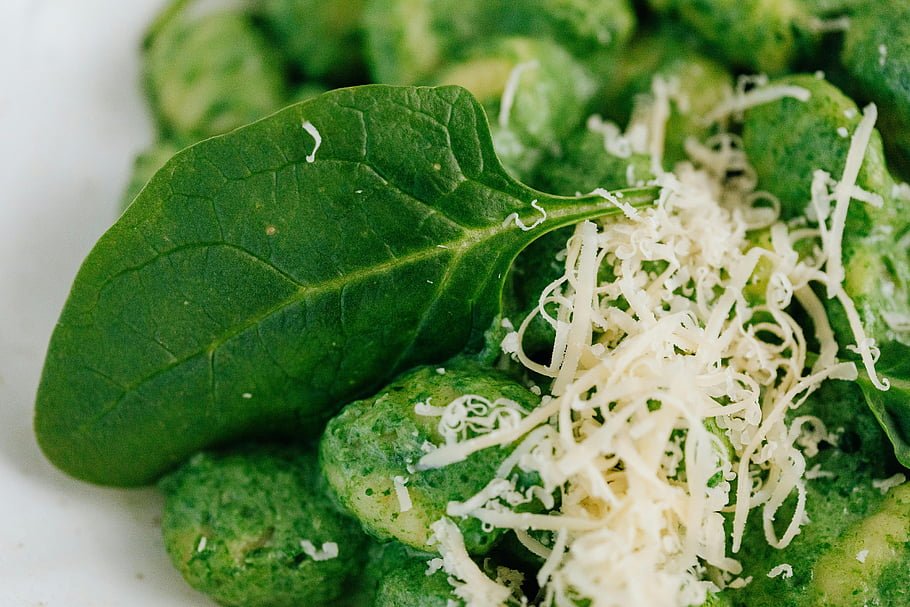



Spinach is a fast-growing, cool-season leafy vegetable that thrives in cold weather. It is highly adaptable, allows for flexible crop rotation, and has a short harvest cycle, making it a staple crop for both home gardens and commercial fields. The optimal growth temperature is 15–20°C; temperatures exceeding 25°C can cause premature bolting, leaf aging, and reduced quality. Once seedlings develop four leaves, they become highly cold-tolerant and can safely overwinter.
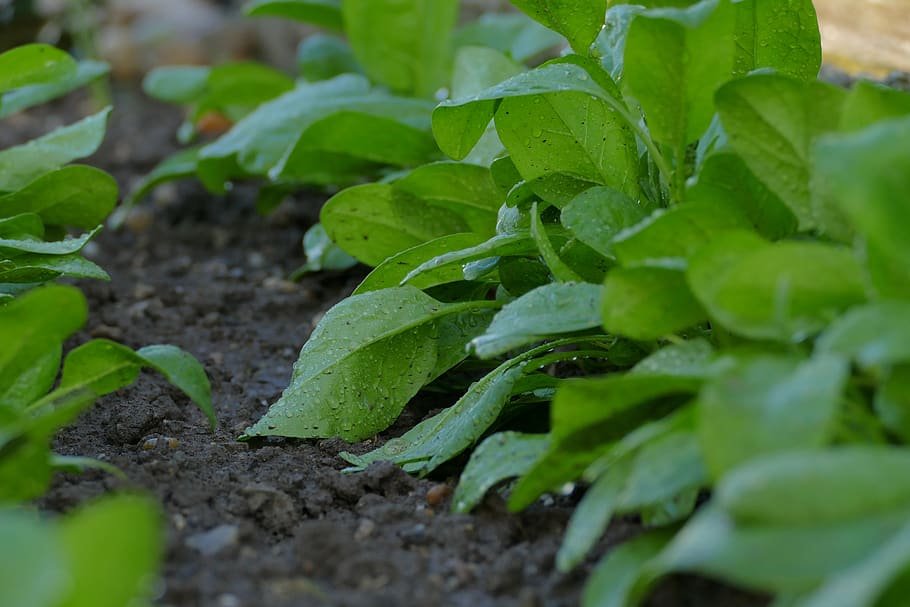
While spinach seeds can be sown directly, germination rates are often low; therefore, soaking and pre-germination treatments are recommended before planting.
Seed Selection: Select plump spinach seeds and sift out any that are blackened, damaged, or spoiled. Next, rub the seeds—taking care to control the pressure—and then place them in the sun for about 30 minutes to prepare them for the seed-awakening process.
Seed Activation: This step determines the future germination rate, so it requires careful handling. Soak the spinach seeds in water for approximately 12 hours, then remove them and place them in a cool area to await sprouting; keep the seeds moist by watering them at intervals during this period.
Spinach can be sown throughout the four seasons, though autumn sowing yields the best quality and highest production. Autumn spinach sown between late August and mid-September benefits from favorable weather and low pest/disease pressure, allowing for harvest in 35–45 days. Overwintering spinach sown in early-to-mid October develops 4–6 robust leaves before winter sets in and is harvested in early spring. Spring spinach sown in mid-to-late March germinates once soil temperatures stabilize at 5°C; however, as spring-sown crops are prone to bolting, timely early harvesting is necessary. Summer sowing (May–July) is the most challenging; it requires heat- and bolt-resistant varieties combined with shading and cooling measures.
Spinach thrives in loose, fertile loam soil that offers good drainage, irrigation access, and moisture/nutrient retention. It is intolerant of acidic soil, which can lead to poor growth; the ideal pH range is 6.0–8.2, with neutral to slightly alkaline conditions promoting the best growth. As a fast-growing leafy vegetable, spinach requires significant nitrogen fertilizer, supplemented by appropriate amounts of phosphorus and potassium. Planting can be done via broadcasting or row sowing; for row sowing, maintain a row spacing of 10–15 cm and a soil covering depth of 1–1.5 cm. The seeding rate is 1.5–2 kg per mu in spring and autumn, whereas in summer—due to poorer germination—about 3 kg per mu is required.
Field management follows the principles of "stabilizing seedlings, conserving soil moisture, and applying light fertilization." When seedlings develop 2–3 true leaves, promptly thin them out and weed the area, maintaining a plant spacing of 4–6 cm to ensure adequate ventilation and light penetration. Irrigation should involve frequent, light watering—allowing the soil to dry slightly between waterings—while avoiding heavy flood irrigation; water in the mornings and evenings during summer to lower temperatures, and restrict watering in winter to conserve moisture and prevent frost damage. Top-dressing should prioritize nitrogen fertilizers supplemented by potassium; cease fertilization 10 days before harvest to reduce nitrate levels and ensure product quality and safety. For overwintering spinach, apply a thorough "freeze-sealing" irrigation before the ground freezes, and consider covering the crop with straw to provide insulation against the cold.