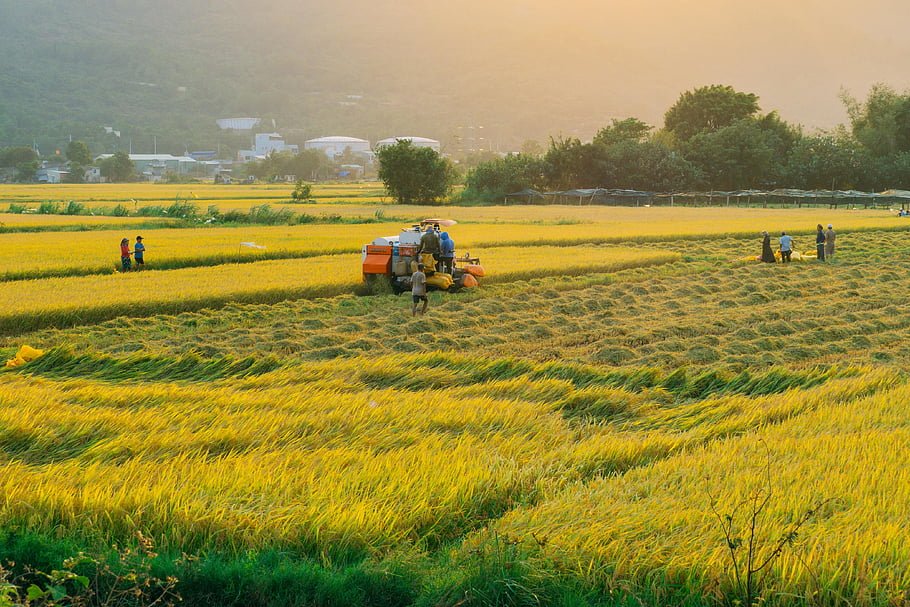



Amid global fertilizer price volatility and supply-side pressures, Cambodia is striving to stabilize fertilizer costs for its farmers. However, efforts to attract investment for domestic fertilizer production have been slow, and the country’s heavy reliance on imports is unlikely to change in the near term. Cambodia imports approximately 1 million tons of fertilizer annually, with a total value ranging from $300 million to $400 million. A core objective for the nation’s agricultural sector is to ensure a stable supply of fertilizer at reasonable prices, while simultaneously developing domestic production capacity to reduce dependence on foreign procurement.
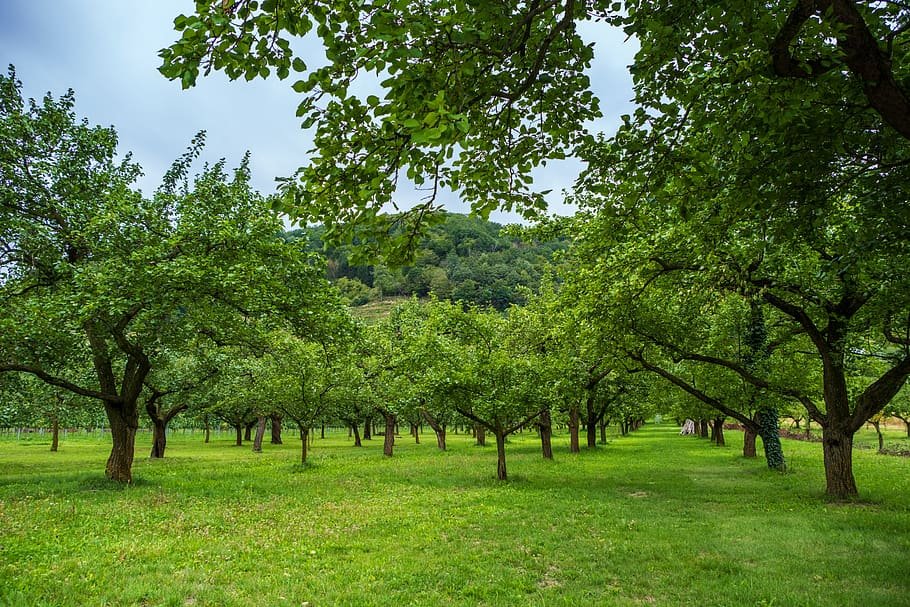
At the Cambodia Agriculture Forum and Exhibition held on October 23, the fertilizer supply chain emerged as a key topic of discussion. Kong Chan Vesna, Secretary of State at the Ministry of Agriculture, Forestry and Fisheries, noted that there are currently 163 registered fertilizer importers and 31 organic fertilizer enterprises in Cambodia, alongside several smaller-scale producers. During a period of global market turbulence, these suppliers have played a crucial role in ensuring that farmers have access to an adequate supply of fertilizer at relatively stable prices. He warned that any shortfall in supply would drive up cultivation costs, which would, in turn, push up the prices of final agricultural products—ultimately undermining the competitiveness of Cambodia’s agricultural exports.
Leading fertilizer importers report that farmers are facing mounting pressure; consequently, the companies’ primary focus is to keep prices stable and strictly control product quality, while actively engaging with upstream suppliers to secure consistent, long-term sources. Domestic organic fertilizer firms are also maintaining affordable pricing, offering organic-inorganic compound fertilizers and pure organic products as cost-effective alternatives for farmers.
Data indicates that Cambodia’s fertilizer imports have been rising steadily: 780,000 tons in 2023, 960,000 tons in 2024, and 1 million tons in 2025, with 650,000 tons imported in the first nine months of 2026. To reduce this reliance on foreign supplies, the government has been actively promoting natural and organic fertilizers, as well as the repurposing of agricultural waste; however, these initiatives have seen limited practical impact thus far.
Although the Cambodian government has been actively courting foreign investment to establish large-scale fertilizer plants—engaging with at least 10 foreign enterprises—no projects have been finalized to date. Potential investors remain in a "wait-and-see" mode, primarily due to the country’s lack of essential mineral resources for fertilizer production and the absence of a supporting oil-refining industry, which creates a significant bottleneck in raw material supply.
Agriculture serves as the backbone of Cambodia’s economy, with crop cultivation—the largest sub-sector—accounting for 61% of the total agricultural output value. In 2025, the country’s total crop production is projected to reach approximately 40 million tons, led by key commodities such as rice, cashews, pepper, and durian—with rice production alone accounting for 15 million tons. Annual agricultural exports total 15 million tons, valued at $5.6 billion. Given that the agricultural sector forms the foundation of the economy, the demand for fertilizer remains inelastic; consequently, until domestic production capacity is developed, Cambodia’s fertilizer market will continue to be highly sensitive to fluctuations in international raw material prices.