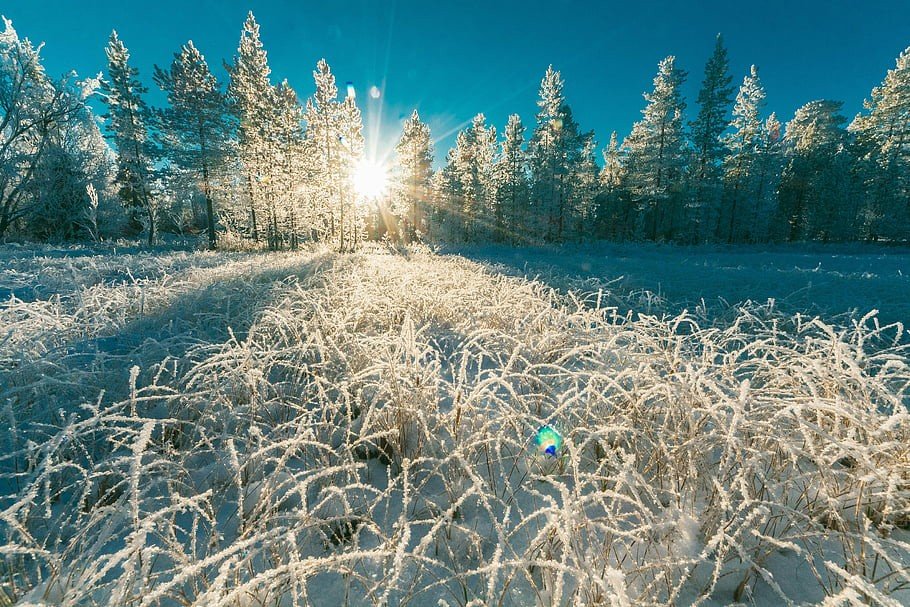



The fallow period in autumn and winter offers the best opportunity for soil remediation. With no growing crops to interfere, comprehensive and in-depth soil conditioning can be carried out. It should be noted that beneficial microbes slow down their activity and enter a dormant state for survival under low temperatures, instead of multiplying rapidly. Nevertheless, microbial inoculants and soil amendments can persist in the soil for a long time. They will activate and function intensively when soil temperatures rise in spring. Through infiltration and accumulation over winter, the soil foundation is consolidated to prepare for spring ploughing in the coming year.

Scientific soil nurturing in autumn and winter focuses on three key measures to easily resolve planting problems in the next growing season.
First, clean up the field to cut off sources of pests and diseases. Thoroughly remove crop residues, fallen leaves and weeds, and take them out of the field for disposal to reduce overwintering carriers of pathogens and pest eggs. Meanwhile, perform shallow tillage across the whole field: pests and eggs on the topsoil are buried deep into the soil and suffocated due to oxygen shortage; those from deep soil are brought to the surface and killed by low temperature and air drying. This effectively reduces the population base of soil-borne diseases such as root rot, damping-off and seedling blight in the next year.
Second, break compacted layers and restore soil structure. Continuous cropping over years tends to form a hard plough pan with poor air permeability. Deep ploughing in autumn and winter breaks the hardened compacted layer, increases soil pores, and relieves problems including waterlogging, poor aeration and restricted root penetration. Combined with conditioning practices, it helps mitigate soil acidification and salinization, improves soil looseness, and boosts water and fertilizer retention capacity.
Third, replenish organic matter and beneficial microbes to rebuild soil ecology — this is the core of yield increase via winter soil nurturing. Long-term cropping depletes soil organic matter and disrupts microbial balance, which is the root cause of declining soil fertility. Apply fully decomposed organic fertilizer during land preparation to supplement organic matter, together with high-activity microbial inoculants to introduce beneficial microbial communities into the soil.
Beneficial microbes have slow metabolism in cold seasons and mainly colonize and survive in the soil. They become continuously active when temperatures rise in spring, decomposing root autotoxic substances, unlocking fixed nitrogen, phosphorus and potassium nutrients, alleviating continuous cropping obstacles, forming a microecological barrier in the rhizosphere and suppressing the proliferation of harmful pathogens. After winter conservation, the soil will have sufficient fertility and stable microecology in spring. Seeds germinate fast with robust roots, lowering risks of root rot and stunted seedlings.
Remedial measures in spring ploughing can never compare with soil nurturing in autumn and winter. Spring is the rapid growth phase for crops, when diseases, nutrient deficiency and continuous cropping issues break out intensively. Growers can only take passive remedies, which are time-consuming, labour-intensive and costly. Autumn and winter, by contrast, are the period for soil to recuperate and restore. One round of proper soil nurturing supports stable yields throughout the whole year.