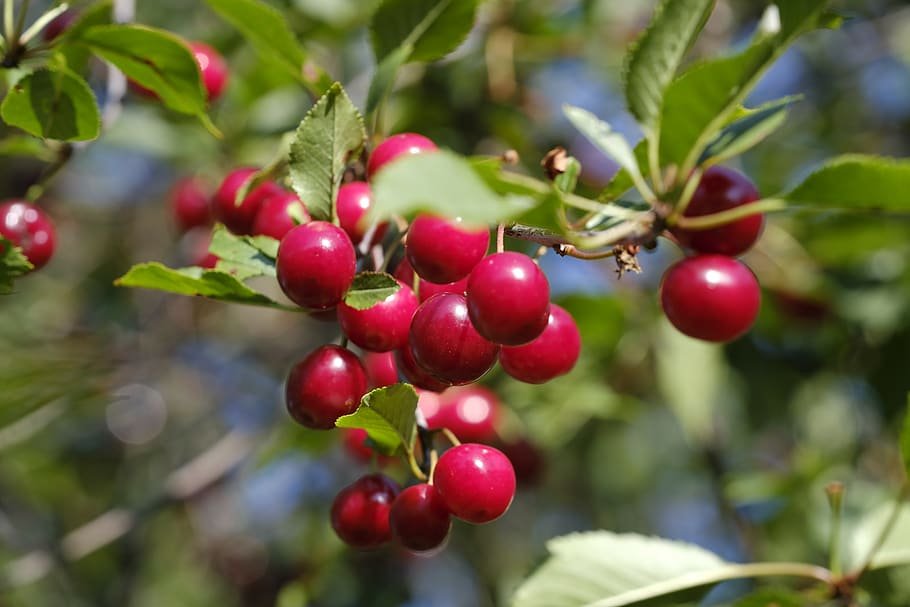



Many growers wait until spring to apply supplemental fertilizer, assuming that crops only require nutrients when they begin to develop leaves. However, the traditional agricultural adage—"Autumn application is gold, winter application is silver, while spring application is mere 'scrap iron'"—encapsulates wisdom derived from observing the natural growth patterns of crops. Fertilization is more than just a simple replenishment of nutrients; when applied correctly, it can improve root health, balance plant vigor, enhance stress resistance, and boost the quality of agricultural produce.
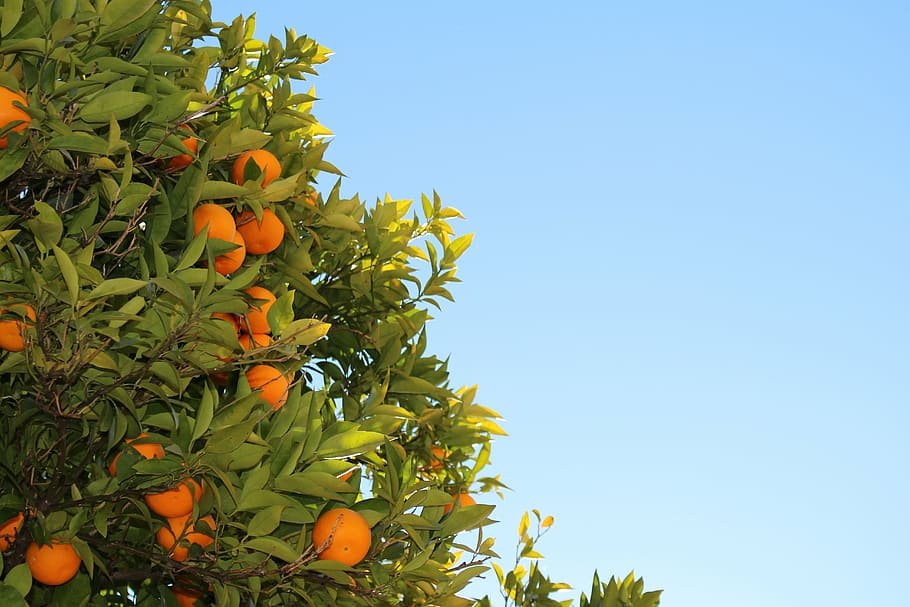
Balanced nutrients stimulate the abundant growth of fine roots, deepen root distribution and improve water and nutrient uptake capacity. Excessive nitrogen tends to cause overgrowth of above-ground parts and weak root development. When soil organic matter is deficient, nutrients can hardly be absorbed even with heavy fertilizer application. Nitrogen, phosphorus and potassium perform their respective functions: nitrogen boosts foliage growth; phosphorus favors root formation and flower bud differentiation; potassium strengthens stems, enlarges fruits and improves crop resistance to cold and diseases. Nutrient imbalance may lead to alternate bearing in fruit trees, excessive vegetative growth and poor fruit set in vegetables. Adequate and balanced nutrition also thickens crop cell walls and enhances drought and frost tolerance. The core objective of fertilization is not merely to supply nutrients for current growth, but to foster root systems and build up nutrient reserves, laying a foundation for subsequent flowering and fruiting.
After autumn fruit harvest and before leaf fall comes the second root growth peak for perennial cash crops. At this time, soil temperature is favorable and root activity remains high. Nutrients taken up after fertilization are rapidly stored in branches and roots to support bud sprouting and flowering in the following year. Basal fertilizer application in autumn repairs root damage caused by fruit harvesting, stimulates the growth of fine roots, enriches flower buds and improves frost resistance over winter. Combined with organic fertilizers and microbial inoculants, it can also ameliorate soil and maximize fertilizer use efficiency. That explains why it is known as “Autumn application is gold”.
After winter sets in, temperatures drop and roots gradually go dormant with weakened nutrient uptake capacity. Most applied fertilizers cannot be utilized until soil temperatures rise in the following year. Winter fertilization is a remedial measure for orchards with late harvest or those that missed autumn fertilization. Its fertilizer use efficiency is lower than autumn application. Applying uncomposted organic manure under low temperatures also carries the risk of root burn. Hence the saying “Winter application is silver”.
When temperatures rise in spring, crops prioritize bud burst and shoot growth. Heavy one-time basal fertilization in spring leads to excessive available nutrients, which trigger vigorous vegetative growth of new shoots. Nutrients will be diverted to branches and leaves, competing with flower buds for nutrition and resulting in blossom and fruit drop. Meanwhile, spring rains tend to leach nitrogen, lowering the return on fertilizer investment. Spring fertilization is not entirely prohibited; only light topdressing is recommended, and heavy basal application should be avoided.
In practical autumn fertilization, the optimal window is 30 days after fruit harvest and before leaf fall, when soil temperature stays above 12℃. The recommended fertilizer formula consists of organic fertilizer plus microbial inoculants, medium and trace elements, and a small amount of compound fertilizer. Dig trenches along the tree canopy drip line for application, then cover with soil and irrigate. Avoid applying uncomposted manure, using quick-acting chemical fertilizer alone, or fertilizing too close to the trunk which may damage taproots. This practice is more suitable for perennial crops such as fruit trees and tea. Short-cycle leafy vegetables have a brief growth period and require topdressing as needed; this method cannot be copied mechanically.
The key to fertilization is to follow the crop growth rhythm, nurture root systems, store nutrients and improve soil quality. Farming does not depend on high fertilizer dosage. Selecting the right fertilization timing ensures stable yield and improved quality. Fertilization programs should be flexibly adjusted according to soil fertility, crop varieties and climate. Where conditions permit, formulate fertilizer scientifically based on soil test results.